Gabonese Mustard Chicken (Poulet au Moutarde) – Creamy & Tangy
23. January 2026
Zimbabwean Dovi – Creamy Peanut Butter Stew
25. January 2026Intermediate
20 minutes
1 hour 20 min
6-8 servings
Gluten-Free
No (contains freekeh)
Dairy-Free
Yes
Description
Instructions
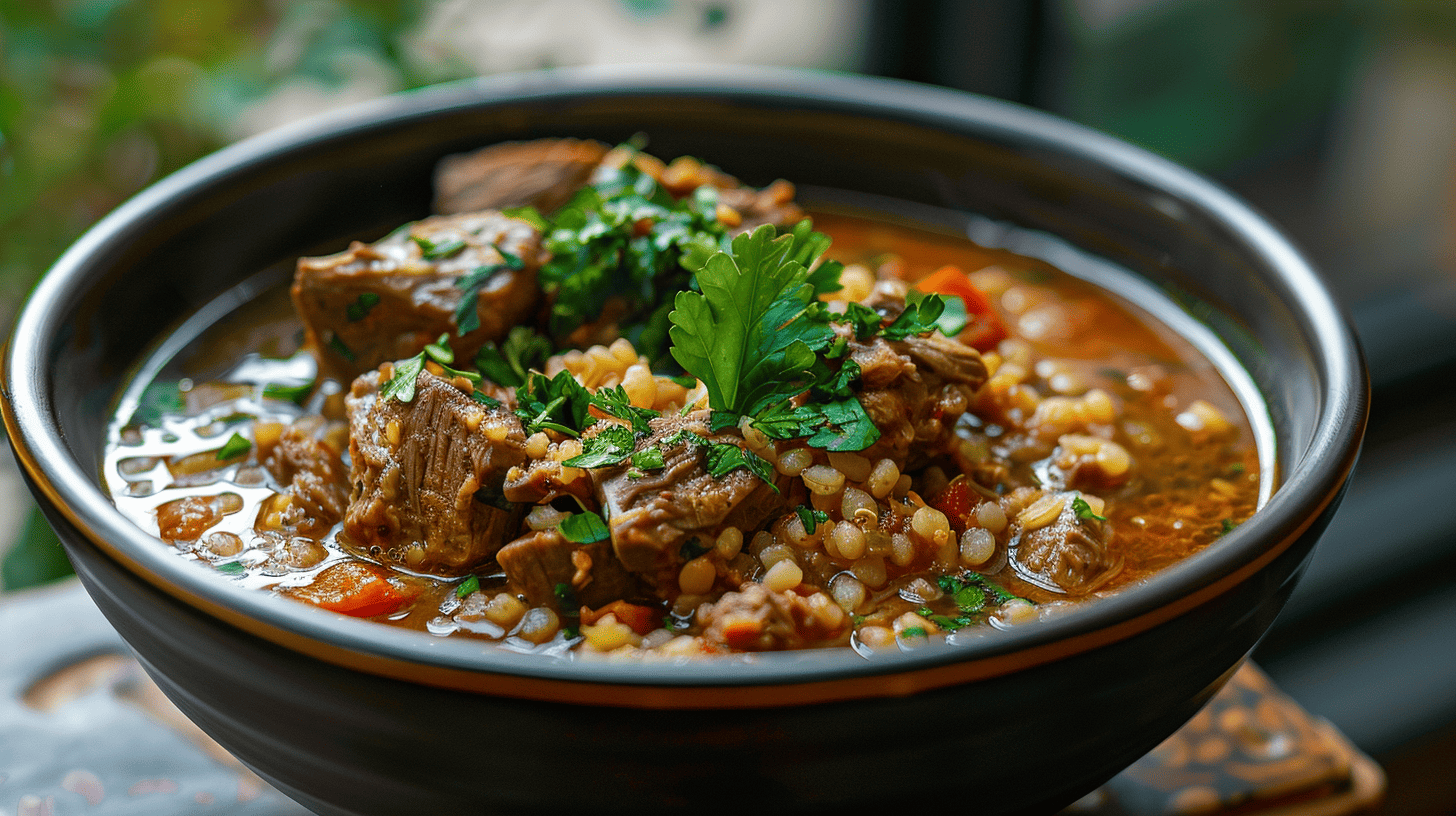
- Brown the Lamb – Establishing the Savory Foundation Begin by patting your lamb pieces completely dry with paper towels. Season them generously on all sides with salt and freshly ground black pepper. In your largest, heaviest soup pot or Dutch oven, heat the olive oil over medium-high heat until it shimmers. Working in batches to avoid crowding, carefully add the lamb pieces. Do not move them for a solid 3-4 minutes, allowing a deep, caramelized crust to form on one side before turning. This initial sear is not about cooking the lamb through, but about initiating the Maillard reaction—the chemical process that creates a bedrock of complex, savory flavor and leaves behind a treasure of browned bits (the fond) on the bottom of the pot. This fond is the soul of your broth. Once all pieces are well-browned on all sides, remove them to a plate and set aside. The rendered lamb fat remaining in the pot is now your flavorful cooking medium.
- Create the Flavor Base – The Aromatic Trinity Reduce the heat to medium. To the pot with the lamb fat, add the grated onion. Grating the onion, as opposed to chopping, is a traditional technique that allows it to melt almost completely into the soup, creating a subtle sweetness and body without discernible pieces. Add a pinch of salt to help draw out its moisture. Cook, stirring occasionally, for 5-7 minutes until the onion is very soft, fragrant, and has lost its raw bite. Now, add the tomato paste directly to the center of the pot. Let it fry in the oil for a full two minutes, stirring constantly. Watch as its color deepens from bright red to a richer brick red and its aroma transforms from sharp and tinny to sweet and deeply rounded. This step, called "cooking out" the tomato paste, is essential for developing umami depth. Immediately add the minced garlic, ground coriander, and chili powder or cayenne. Stir constantly for just 60 seconds until the spices are fragrant and the raw edge of the garlic has disappeared, being careful not to let it burn.
- Simmer the Broth – The Patient Extraction Return the browned lamb and any accumulated juices to the pot. Add the grated fresh tomatoes—their fresh acidity will brighten the rich base. Pour in all the water or light broth. The liquid should generously cover the meat. Increase the heat to high and bring to a rolling boil. As soon as it boils, you will see a greyish foam (impurities from the meat) rise to the surface. Use a spoon to skim this foam off carefully; this results in a clearer, cleaner-tasting broth. Once skimmed, immediately reduce the heat to the lowest possible setting to maintain the gentlest simmer—just a few lazy bubbles should break the surface. Cover the pot tightly. Let it cook undisturbed for 45 minutes. This slow, gentle simmer is what begins to tenderize the lamb and allows its flavors, along with those of the onions and spices, to slowly seep into the broth, creating a deeply savory foundation.
- Add the Freekeh & Herbs – The Hearty Transformation While the soup simmers, prepare your freekeh. Place it in a fine-mesh sieve and rinse under cold running water for a full minute, agitating it with your fingers. This is crucial to wash away any lingering husks, dust, or bitterness. After 45 minutes, the lamb should be starting to yield but not yet fully tender. Add the rinsed freekeh and half of your total chopped fresh herbs (cilantro, parsley, and celery leaves or mint) to the pot. Stir well. The freekeh will absorb a great deal of liquid. Cover again and continue to simmer on low heat for another 25 to 30 minutes. During this time, the freekeh will swell and cook, releasing its starches to naturally thicken the broth into a substantial, almost porridge-like consistency. Its signature smoky, nutty flavor will permeate the soup. The herbs will begin to wilt and infuse their flavor into the grains.
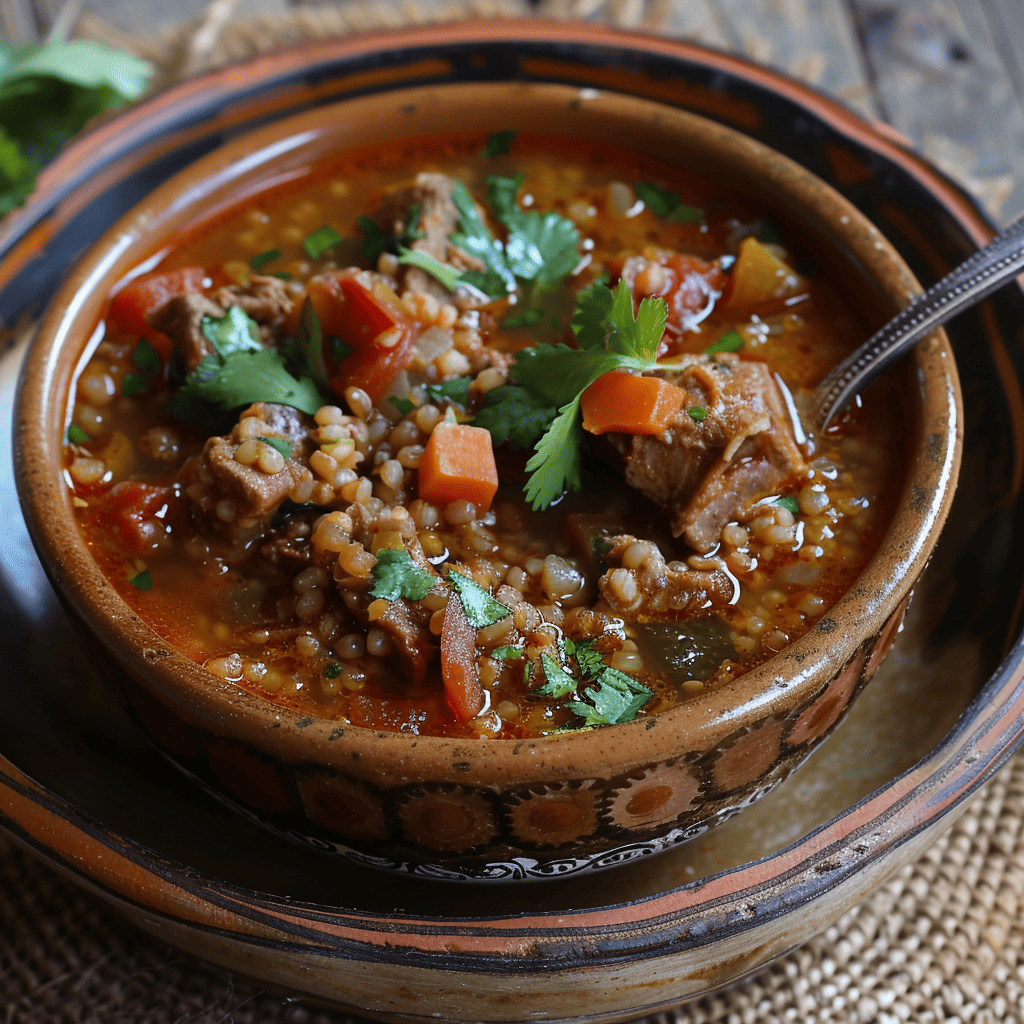
- The Final Brightness – The Awakening of Flavors Once the freekeh is tender with a slight chew and the lamb is fork-tender, it is time for the final, transformative touch. Remove the pot from the heat. Stir in the remaining half of the fresh, raw herbs. Then, squeeze in the fresh lemon juice. This sequence is important: the heat of the soup will wilt the second batch of herbs just enough, preserving their vibrant color and fresh aroma, while the off-heat addition of lemon juice preserves its bright, sharp acidity. Taste the soup thoughtfully. The flavors should now be in perfect harmony: the rich, savory depth of the lamb broth, the earthy smokiness of the freekeh, the freshness of the herbs, and the vitalizing tang of the lemon. Adjust the seasoning with more salt and pepper until it sings. The soup should be hearty, vibrant, and slightly tangy.
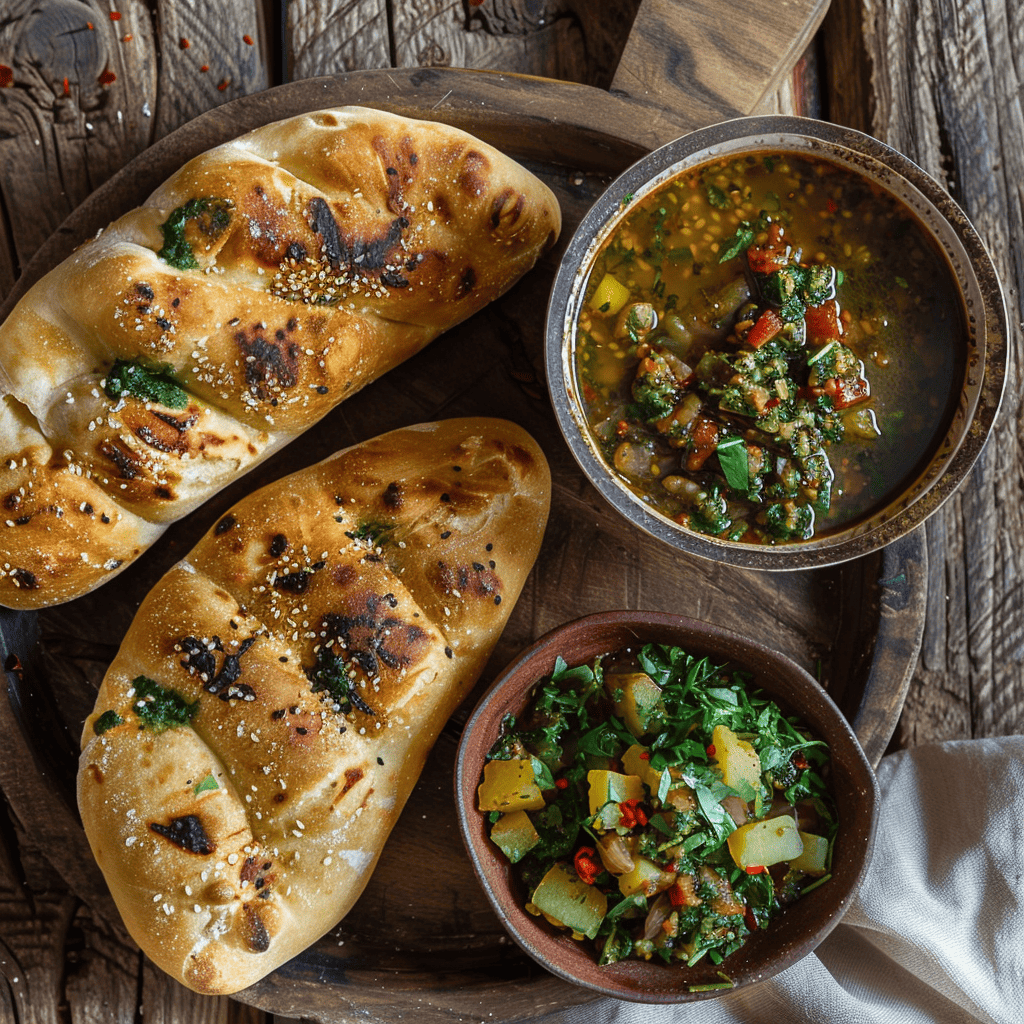
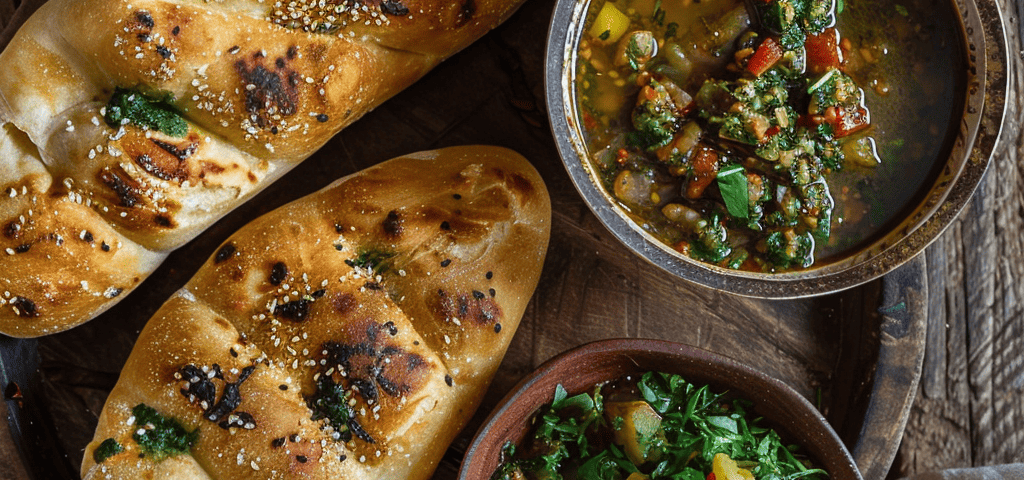
- To Serve: Ladle the thick, steaming soup into deep bowls. Tradition dictates that alongside the soup, a plate of fresh dates is served to provide an instant, natural burst of glucose to break the fast gently. Serve with warm, crusty bread or flaky msemen (Algerian flatbread) for dipping and scooping, completing the ritual of Iftar.
The Freekeh Factor – The Grain That Defines the Dish
Chorba Frik is unequivocally defined by freekeh (from the Arabic farīk, meaning "rubbed"). This is not a grain you can casually substitute. Freekeh is durum wheat that is harvested while the grains are still young and soft, then piled and carefully set on fire. The straw and chaff burn away, while the moist, high-protein kernels are only lightly smoked and toasted. They are then rubbed to reveal the green, cracked grains. This process imparts a unique, irreplaceable flavor profile: a distinct smoky aroma, a nutty taste, and a pleasantly chewy texture that holds its shape in the long simmer. It also boasts a higher fiber and protein content than most grains. Rinsing it thoroughly is non-negotiable to remove any residual ash or bitterness. Substituting with bulgur, barley, or rice creates a different soup altogether—it would no longer be Chorba Frik, losing its smoky soul and characteristic heartiness.
The Soup of Community & Faith – A Bowl of Shared Devotion
Chorba Frik transcends the category of food to become a vessel of culture, faith, and community. Its significance is most profound during the holy month of Ramadan. The act of preparing it is a mindful ritual, often beginning hours before Iftar. Its ingredients are intentionally chosen: the hearty lamb and freekeh provide sustained energy and replenish nutrients after a long day of fasting, while the abundance of fresh herbs and lemon juice aid digestion and refresh the palate. Consuming it is a shared, communal moment—the first thing to pass the lips after the sunset call to prayer. This first spoonful is more than nourishment; it is an act of gratitude, a reconnection with family, and a reaffirmation of faith. The soup, therefore, is a tangible expression of patience, generosity, and spiritual reflection, making every bowl a deeply meaningful experience.
Ingredients
- 🐑 500g lamb shoulder or neck, cut into chunks
- 🌾 1 cup freekeh (green cracked wheat), rinsed well
- 🧅 1 large onion, grated
- 🍅 2 tbsp tomato paste + 2 fresh tomatoes, grated
- 🧄 6 garlic cloves, minced
- 🌿 1 large bunch fresh cilantro, finely chopped
- 🌿 1 large bunch fresh parsley, finely chopped
- 🌿 1 large bunch fresh celery leaves (or mint), chopped
- 🌶️ 1 tsp ground chili powder or ½ tsp cayenne
- 🌿 2 tsp ground coriander
- 🍋 Juice of 1-2 lemons
- 🫒 3 tbsp olive oil
- 💧 2.5 liters water or light lamb broth
- 🧂 Salt & pepper
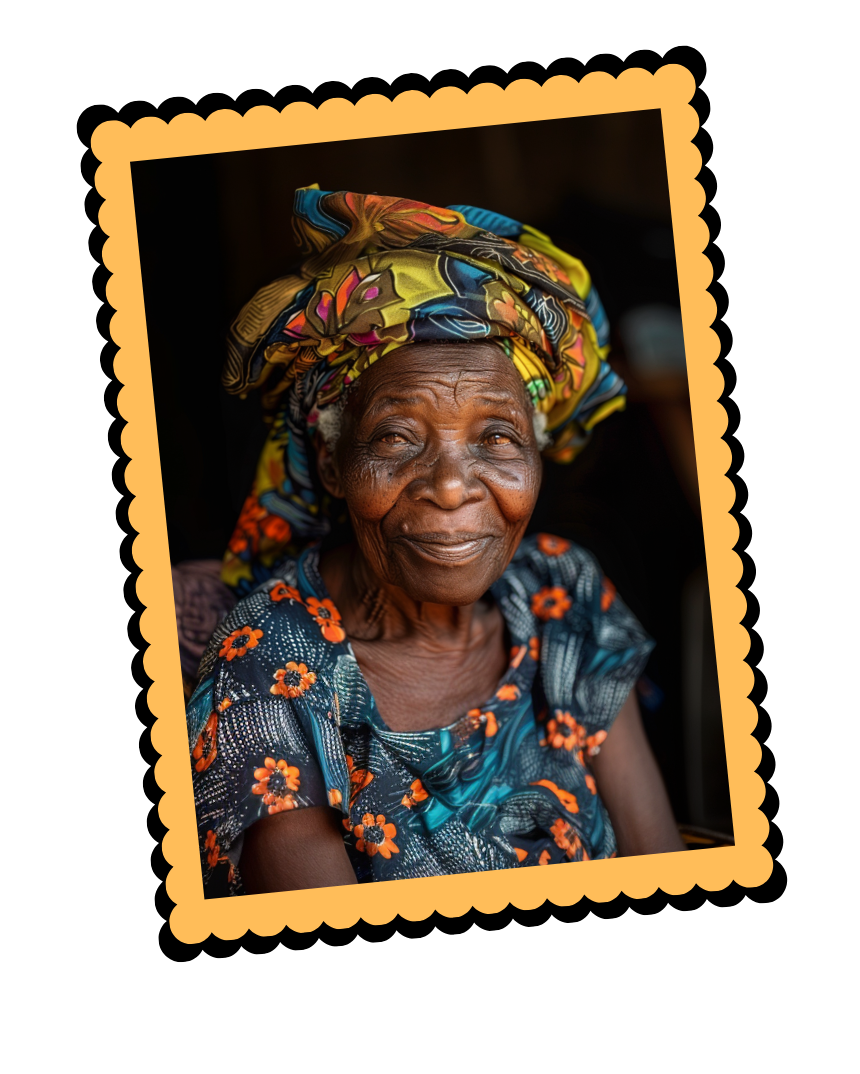
About us
Dive into the unique world of African flavors with Nana! From traditional family recipes to modern creations, Nana brings the diversity and magic of the African continent straight to your kitchen. Get inspired, try authentic and creative dishes, and discover the heartfelt soul of African cuisine on your plate.