Congolese Moambe Chicken – Palm Nut Stew in 70 Minutes
9. January 2026
Malawian Chambo with Nsima – Grilled Tilapia & Stiff Porridge
11. January 2026Difficulty
Intermediate
25 minutes
1 hour 15 min
4-6 servings
Gluten-Free
Yes
Dairy-Free
Yes
A Symphony of Sweet and Savory – For the Slow-Food Enthusiast
Instructions
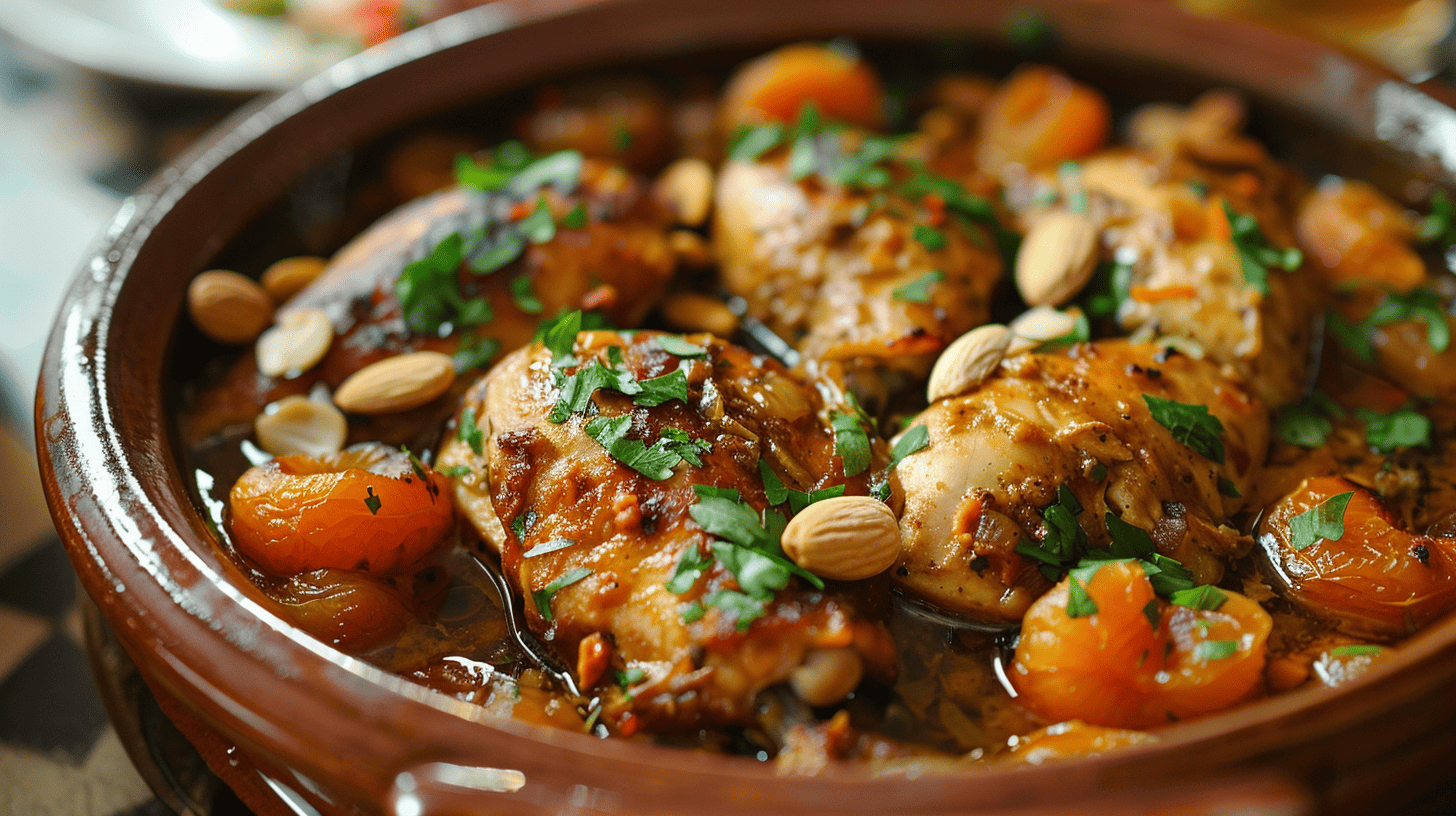
- Spice the Chicken – The First Layer of Flavor Begin by laying your chicken pieces on a clean work surface and patting them thoroughly dry with paper towels. This ensures the spice rub will adhere and the skin will brown properly. In a small bowl, combine the ground cumin, ginger, turmeric, and a generous pinch of both salt and freshly ground black pepper. The turmeric is for that warm, golden color, the cumin for earthy depth, and the ginger for a subtle, fragrant heat. Using your hands, massage this spice mixture energetically into every piece of chicken, covering both skin and flesh. Don’t just sprinkle; really rub it in. This 15-minute rest is crucial—it allows the salt to begin seasoning the meat deeply and lets the dried spices hydrate on the surface, preventing them from tasting dusty or raw in the final dish.
- Brown the Base – Sealing in the Essence In the base of your tagine (if it’s stove-safe) or a heavy Dutch oven, heat the olive oil or ghee over medium-high heat until it shimmers. Ghee is traditional and adds a wonderful nutty note. Working in batches to avoid crowding, carefully place the chicken pieces in the hot fat, skin-side down first. Do not move them for a solid 4-5 minutes. You want to hear a steady sizzle as the skin renders its fat and forms a deep, golden, crispy crust. This browning, known as the Maillard reaction, is not about cooking the chicken through, but about creating a foundation of complex, savory flavor and fond (the browned bits) in the bottom of the pot. Turn the pieces to brown the other side, then remove to a plate. This fond is the flavor gold you’ll build upon.
- Build the Aromatics – The Sweet Foundation Reduce the heat to medium. In the same pot, with all the delicious chicken drippings, add the thinly sliced onions and a pinch of salt. The salt draws out their moisture. Now, practice patience. Cook the onions, stirring occasionally, for a full 10-12 minutes. You are not sautéing; you are slowly sweating and caramelizing them. They will wilt, become translucent, then turn a soft, sweet, golden brown. This slow-cooked onion base provides the essential sweetness that will balance the spices and tart fruit. Now, add the minced garlic, grated fresh ginger, and cinnamon. Stir constantly for just 1-2 minutes until the kitchen is filled with an incredible, warm fragrance. Be vigilant—garlic burns in a heartbeat.
- Assemble & Slow-Cook – The Gentle Unification Return all the browned chicken pieces and any accumulated juices to the pot, nestling them into the bed of onions. Pour in the saffron-infused water—the threads should have been soaking in a couple tablespoons of warm water for at least 10 minutes to release their color and aroma—and the chicken broth. The liquid should come about halfway up the sides of the chicken; it should not submerge it. Scatter the dried apricots evenly around the chicken. They will plump and soften, releasing their honeyed sweetness into the sauce. Bring the pot to the very beginning of a simmer—just a few bubbles breaking the surface around the edges.
- The Tagine Magic – Where the Pot Works Its Wonder Now, cover the pot with the distinctive conical tagine lid or a tight-fitting pot lid. Reduce the heat to the lowest possible setting your stove can maintain. This is the heart of the method. In a tagine, the conical lid traps rising steam, which then cools, condenses, and trickles back down onto the food in a continuous, gentle self-basting cycle. In a Dutch oven, the heavy lid achieves a similar moist environment. Let it cook, undisturbed, for 45 to 50 minutes. Do not lift the lid to peek; you’ll release the precious steam. Inside, the chicken will braise in this fragrant, moist heat until it becomes impossibly tender, almost falling from the bone, while the sauce reduces and concentrates.
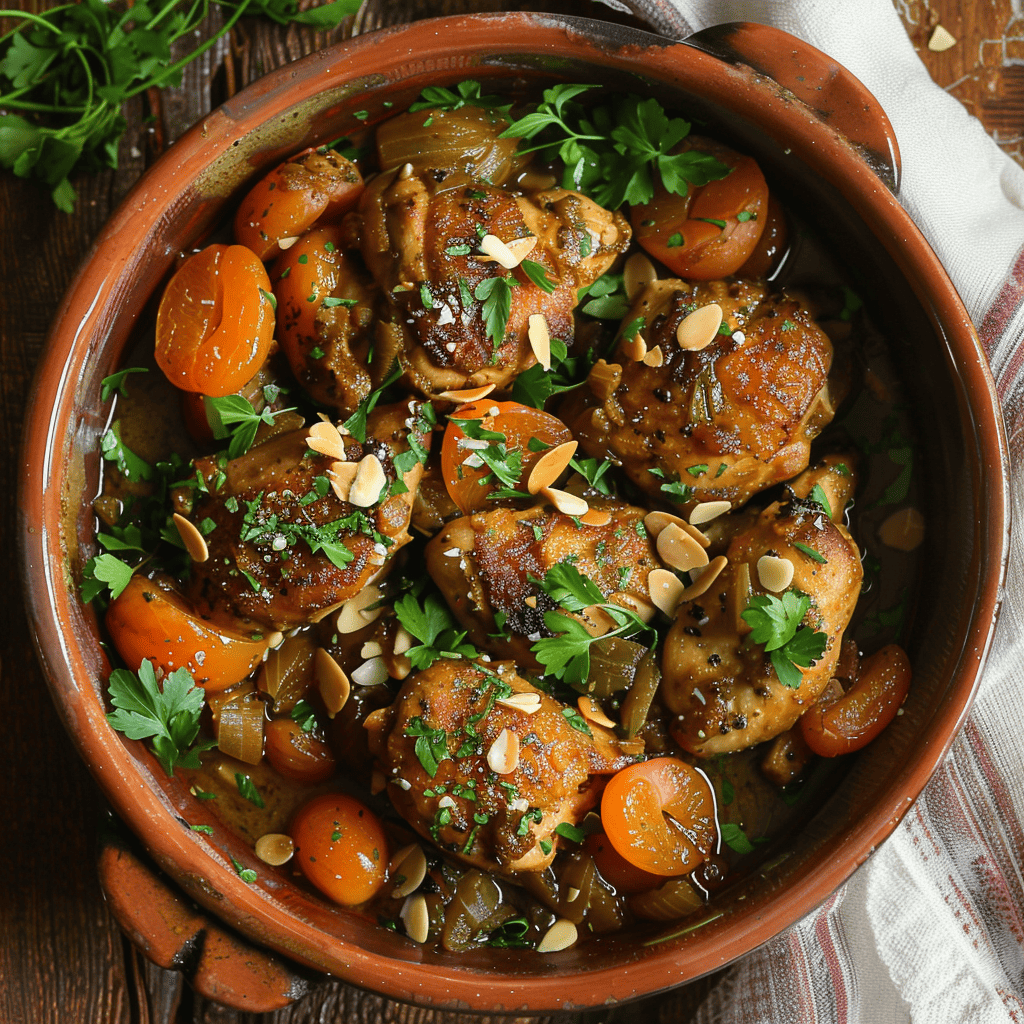
- Final Glaze & Garnish – The Balancing Act After the long simmer, uncover the pot. The aroma will be intoxicating. Drizzle the honey evenly over the chicken and sauce. Add the sliced preserved lemon—rind and all. The rind is the prized part. Cover again and let it cook on the lowest heat for a final 5-10 minutes. This allows the honey to meld into the sauce, adding a glossy sheen and a touch of floral sweetness, and lets the preserved lemon’s unique flavor infuse the dish. Just before serving, stir in most of your chopped fresh cilantro and parsley, letting their bright, grassy notes cut through the richness. Transfer to a serving platter or serve directly from the pot, garnished with the toasted almonds for crucial crunch and the remaining fresh herbs.
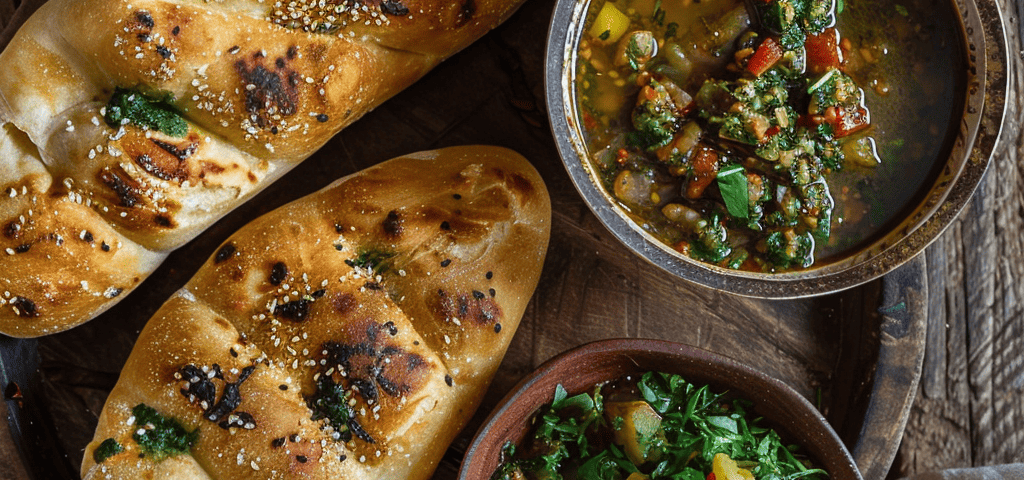
- To Serve: Place the tagine or pot in the center of the table. The classic and perfect accompaniment is a fluffy mound of steamed couscous, which soaks up the magnificent sauce. Warm, crusty bread is also excellent for scooping.
The Saffron & Preserved Lemon Secret – The Soul of the Pot
While the dried apricots provide a beautiful sweetness, two ingredients are the non-negotiable heartbeats of an authentic tagine. First, saffron. Its threads offer more than just a golden hue; they impart a subtle, earthy, almost hay-like fragrance that is irreplaceable and defines the dish's sophistication. Soaking the threads first unlocks their full potential. Second, and most critically, preserved lemon. This is not a garnish or a substitute for fresh lemon. It is a fundamentally different ingredient. Lemons are fermented for weeks in salt and their own juices, transforming the rind into a soft, potent condiment with an intense, salty-briny, deeply aromatic tang. This flavor cuts through the richness of the chicken and fat, balances the sweetness of the fruit and honey, and adds a complex, fermented dimension that fresh citrus cannot. It is the single ingredient that makes a tagine taste truly Moroccan.
A Dish Designed for Sharing – The Vessel as a Symbol
The tagine pot is a masterpiece of culinary engineering and social design. Its iconic conical shape is perfectly adapted to the environment and the cooking method: the clay material and design allow for slow, even cooking over low, diffuse heat (traditionally charcoal). The lid’s high peak collects steam, which cools and continuously rains flavorful condensation back onto the food, creating an incredibly moist, self-basting environment that tenderizes even the toughest cuts. But its purpose extends beyond function. Serving the tagine directly from the cooking vessel to a shared platter is an integral part of the experience. It embodies core Moroccan values: community, generosity, and hospitality. The act of gathering around the single, beautiful pot, sharing from the same source, turns a meal into a connective ritual, making the tagine not just a dish, but a tool for bringing people together.
Ingredients
- 🍗 1 whole chicken (approx. 1.5kg), cut into 8 pieces, or 8 chicken thighs
- 🧅 2 large onions, thinly sliced
- 🧄 5 garlic cloves, minced
- 🫚 2-inch piece ginger, grated
- 🌿 Spice Mix: 2 tsp ground cumin, 2 tsp ground ginger, 1 tsp turmeric, 1 tsp cinnamon, ½ tsp saffron threads (soaked in 2 tbsp warm water)
- 🍯 2 tbsp honey
- 🍑 150g dried apricots
- 🥜 100g whole blanched almonds, toasted
- 🧈 3 tbsp olive oil or ghee
- 🍋 Preserved lemon peel, finely sliced (or zest of 1 lemon)
- 💧 250ml chicken broth
- 🧂 Salt & pepper

About us
Dive into the unique world of African flavors with Nana! From traditional family recipes to modern creations, Nana brings the diversity and magic of the African continent straight to your kitchen. Get inspired, try authentic and creative dishes, and discover the heartfelt soul of African cuisine on your plate.