Zanzibari Beef Mishkaki – Grilled Street Food Skewers
28. January 2026
Angolan Calulu – Dried Fish & Okra Stew with Funge
30. January 2026Easy
25 minutes
45 minutes
4 servings
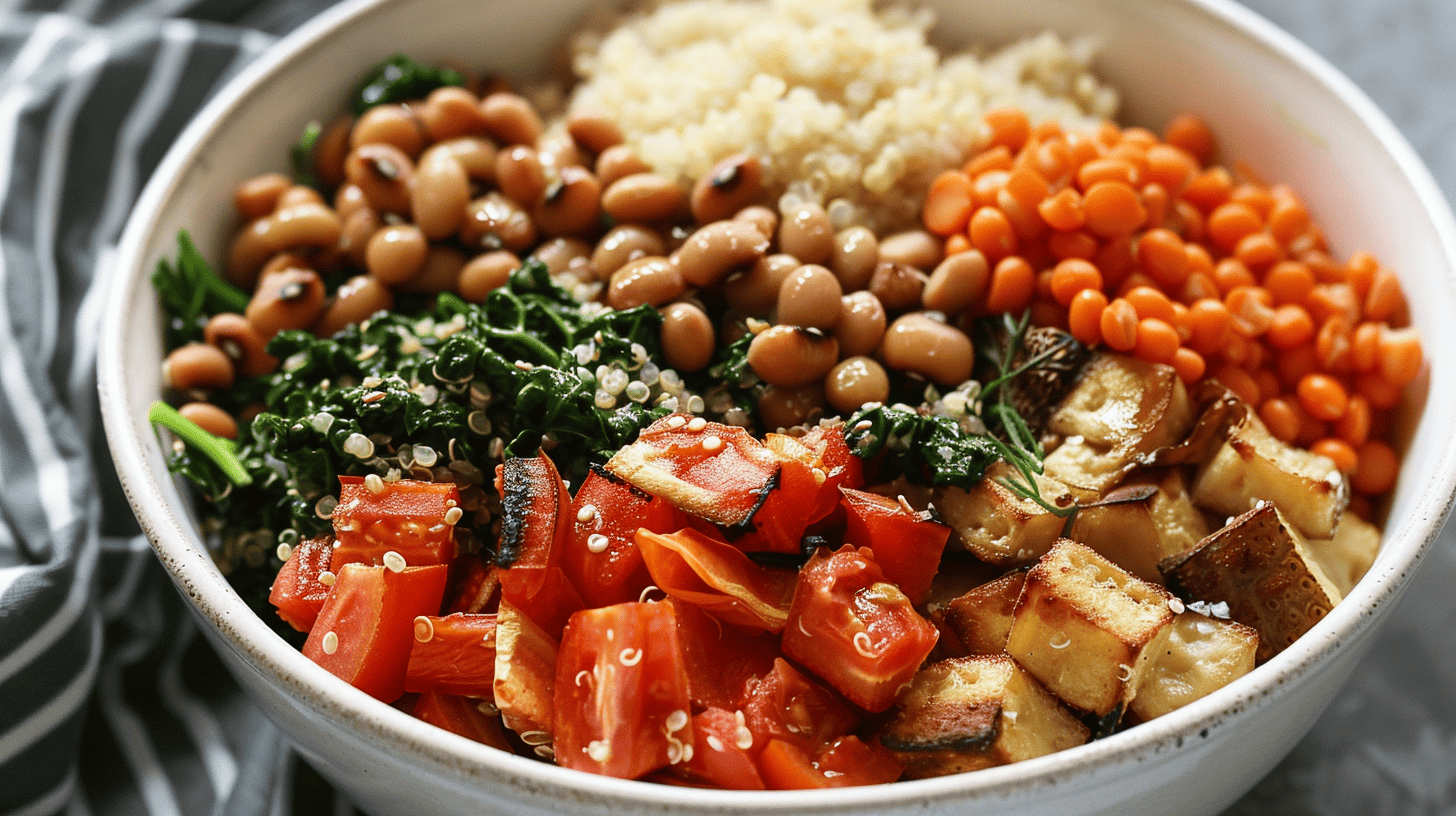
A Vibrant, Protein-Packed Powerhouse – For the Health-Conscious Foodie & Meal-Prepper
Instructions
- Cook the Bases – Mastering Texture & Flavor Foundations Begin with your black-eyed peas. If using dried peas (highly recommended for superior texture), ensure they were soaked in plenty of cold water for at least 6 hours, or ideally overnight. Drain and rinse them thoroughly. Place them in a medium saucepan and cover with fresh, cold water by about two inches. Crucially, do not add salt yet. Cooking legumes in unsalted water allows them to soften evenly and prevents the skins from toughening prematurely. Bring to a boil, then reduce to a gentle simmer. Skim off any foam that rises to the surface. Let them cook uncovered for 40-50 minutes, until perfectly tender but not mushy—they should still have a slight bite or "pop." Drain them well and spread them on a tray to cool slightly; this stops the cooking and lets excess steam evaporate, preventing a soggy salad. While the peas simmer, cook your quinoa. Rinse it thoroughly in a fine-mesh sieve under cold running water for a full minute to remove its natural bitter saponin coating. Use a 1:2 ratio of quinoa to water or broth. Bring to a boil, then cover, reduce heat to low, and simmer for 15 minutes. Remove from heat, keep covered, and let it steam for 10 more minutes—this ensures fluffy, separate grains. Finally, fluff it with a fork and let it cool slightly. The goal is to have both components warm or at room temperature when you dress them, as warmth acts like a flavor sponge.
- Make the Zingy Dressing – The Liquid Engine of Flavor This dressing is what elevates the bowl from simple to spectacular. Begin by finely grating a knob of fresh ginger. You want both its juice and pulp, so grate it directly over your mixing bowl. Add the freshly squeezed juice of the limes and orange. The orange juice is a subtle yet masterful touch—it adds a floral sweetness that rounds out the sharp lime and spicy ginger, creating a more complex acidity than vinegar could provide. Slowly stream in a mild, fruity extra virgin olive oil while whisking constantly to create a stable, creamy emulsion. A touch of honey or maple syrup balances the sharp edges. Now, season aggressively. Start with a full teaspoon of fine sea salt and several grinds of black pepper. Whisk, taste, and adjust. The dressing should be bold and vibrant on its own, as it will season the entire volume of grains and beans. Let it sit for 5 minutes to allow the ginger flavor to fully infuse the oil and citrus.
- Assemble the Bowl – The Critical Infusion Stage
In a large, wide mixing bowl—not your serving bowl yet—combine the warm, drained black-eyed peas and the fluffy quinoa. The residual warmth here is your secret weapon. Pour about two-thirds of the dressing over the grains and legumes. Using a wide spatula or a large spoon, fold and toss gently but thoroughly for a full minute. You are not just mixing; you are allowing the warm bases to actively drink in the dressing.
Let this mixture sit for 5-10 minutes. You’ll see the grains darken slightly and glisten as they absorb the liquid. This step ensures every nook and cranny is seasoned from within, preventing a bland bite or a pool of dressing at the bottom of the bowl later.
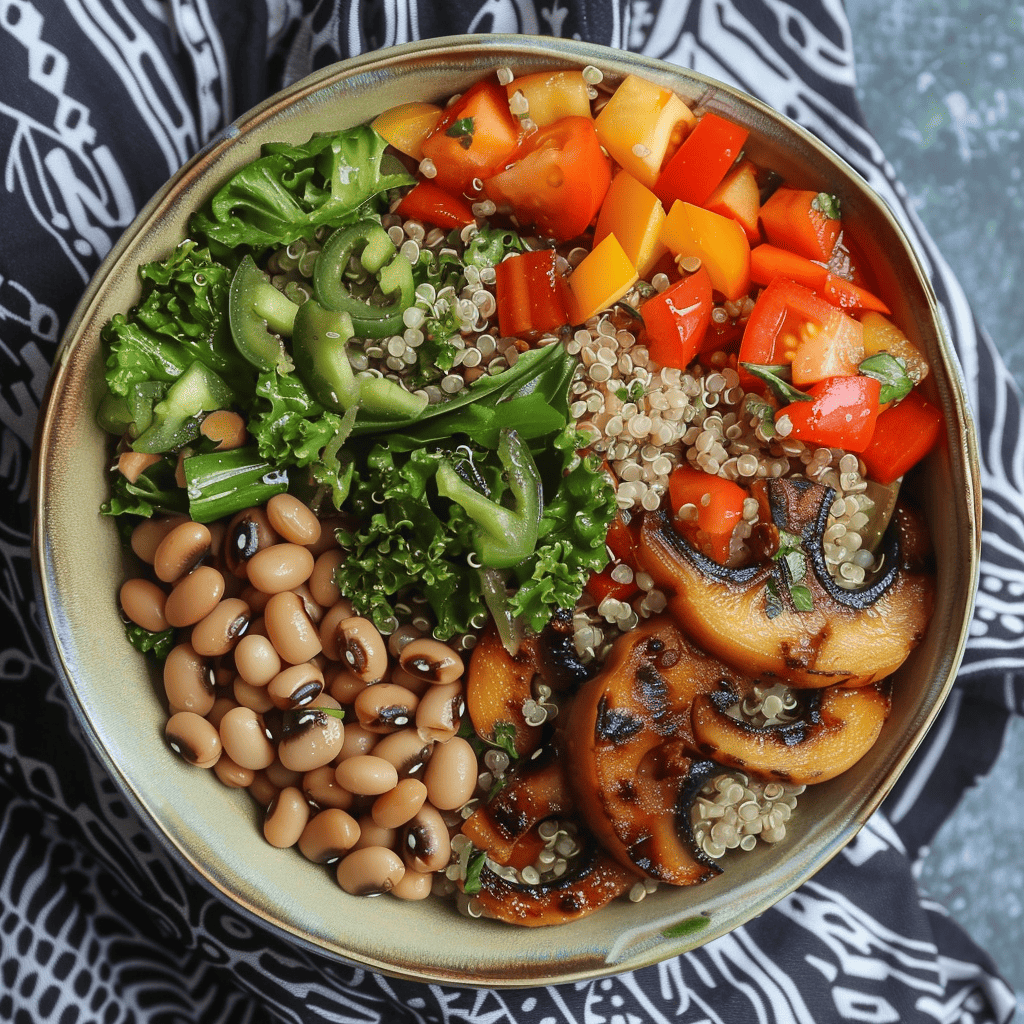
- Add Freshness & Serve – The Final Flourish of Color & Crunch Once the base has absorbed the dressing, transfer it to your final serving platter or shallow bowl, spreading it out. Now, artfully arrange your fresh elements on top: the creamy diced avocado, the halved cherry tomatoes (their juices will mingle), the finely diced red onion for punch, the chopped cilantro for herby brightness, and the thinly sliced red chili for a ribbon of heat. This "composed" method, rather than stirring everything together, preserves the individual textures and vibrant colors. Give the remaining dressing one final whisk and drizzle it elegantly over the fresh toppings.
Why It Works:
The warm legumes and quinoa absorb the sharp, sweet, and spicy dressing beautifully, creating a pre-seasoned, flavor-infused base. The fresh ingredients added last retain their essential crunch, color, and raw vitality. It’s a perfect, intentional balance of earthy, fresh, and zingy—a meal that feels both nourishing and exciting.
The Art of Substitution:
Ayimolou is wonderfully adaptable. The traditional Beninese version often uses maize or millet instead of quinoa. For a different twist, try sorghum or farro. Don’t have black-eyed peas? Cowpeas, pigeon peas, or even chickpeas work beautifully. The dressing is also flexible—a dash of ground selim pepper (grains of paradise) or a whisper of ground cloves can add an authentically West African aromatic note.
A Dish of Symbolism & Sustenance:
In Benin, dishes featuring black-eyed peas are often associated with good luck and prosperity, especially around the New Year. This modern "power bowl" interpretation maintains the dish’s core virtues—high protein, high fiber, and vibrant energy—making it a perfect meal for fueling an active day. It’s a brilliant example of how traditional, nutrient-dense ingredients can be styled into a contemporary, globally-inspired feast.
Ingredients
- 🫘 1 cup dried black-eyed peas, soaked overnight (or 2 cans, drained)
- 🍚 1 cup quinoa, rinsed
- 🥑 1 ripe avocado, diced
- 🍒 1 cup cherry tomatoes, halved
- 🧅 1 small red onion, finely diced
- 🌿 1 bunch cilantro, chopped
- 🌶️ 1 red chili, finely sliced
- For the Dressing:
- 🫚 3cm ginger, grated
- 🍋 Juice of 2 limes & 1 orange
- 🫒 4 tbsp olive oil
- 🍯 1 tbsp honey or maple syrup
- 🧂 Salt, pepper
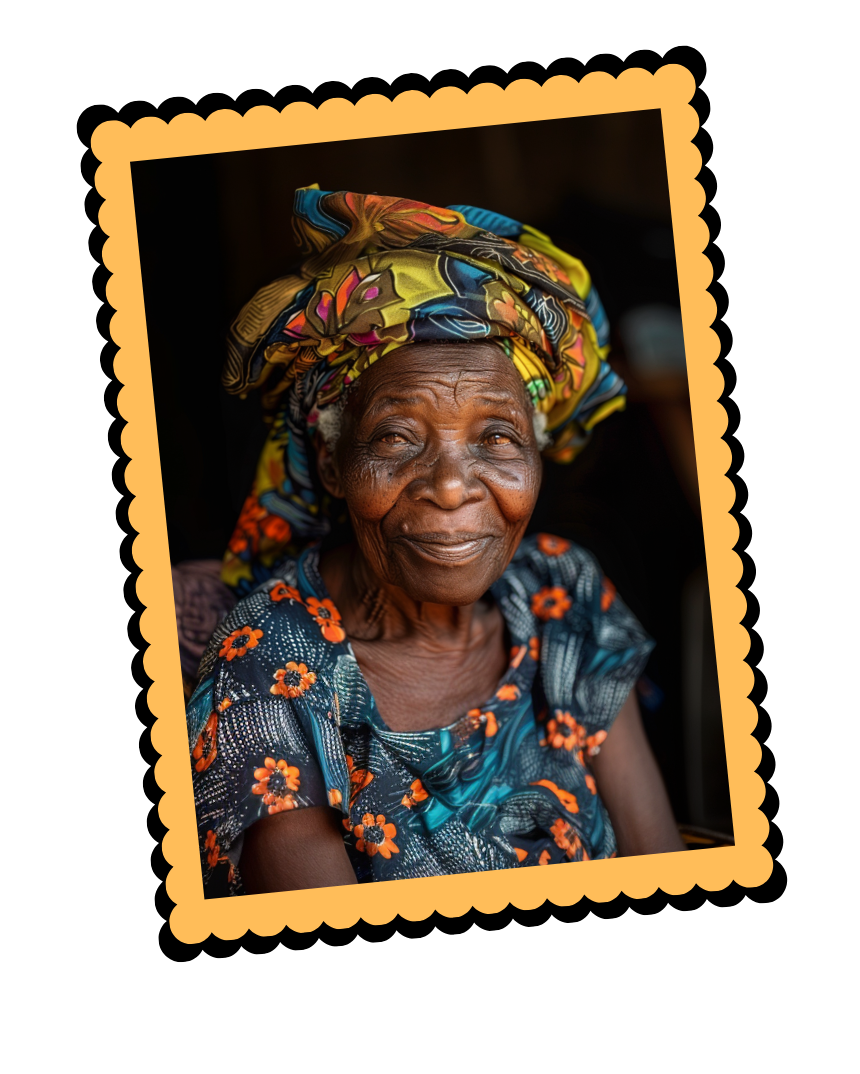
About us
Dive into the unique world of African flavors with Nana! From traditional family recipes to modern creations, Nana brings the diversity and magic of the African continent straight to your kitchen. Get inspired, try authentic and creative dishes, and discover the heartfelt soul of African cuisine on your plate.