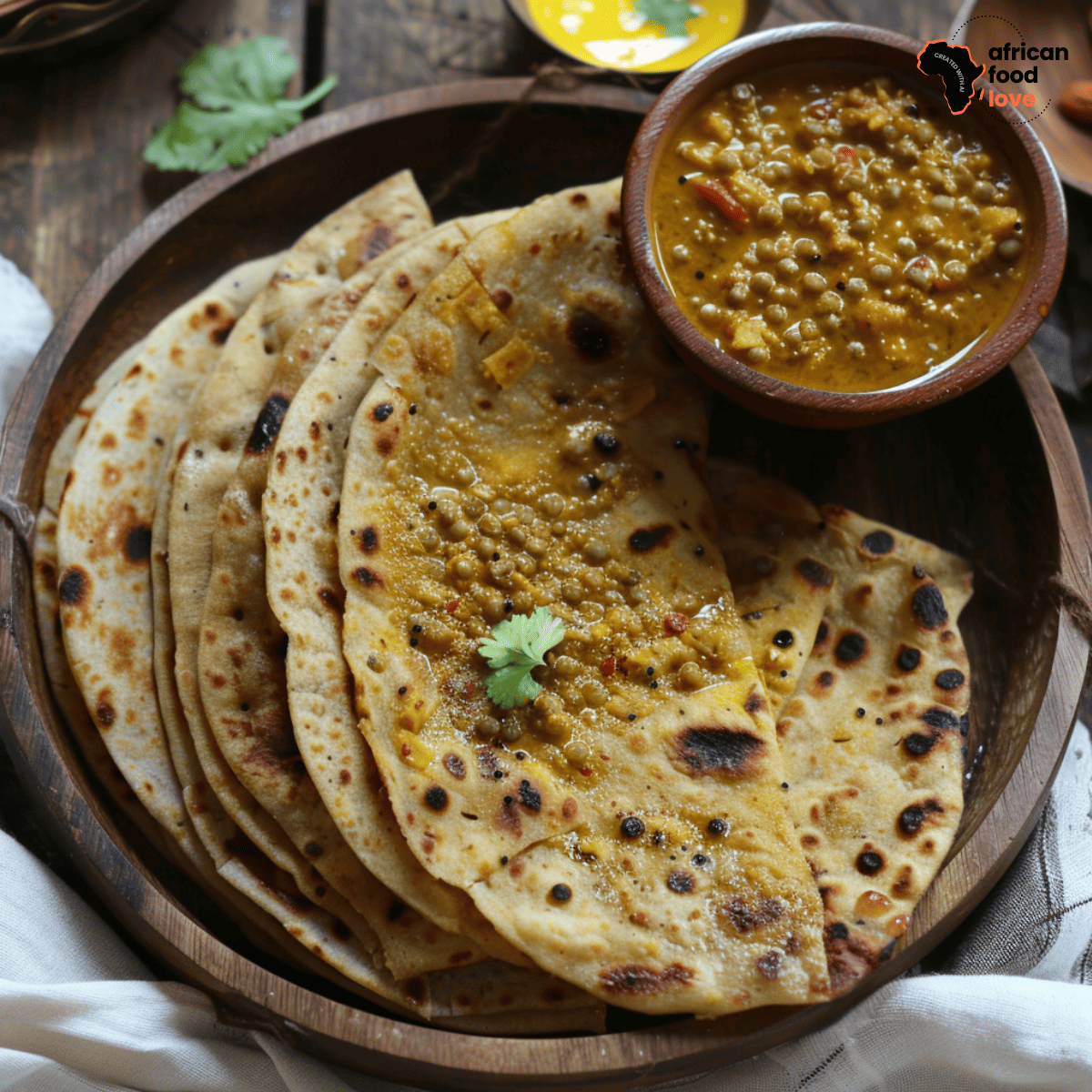
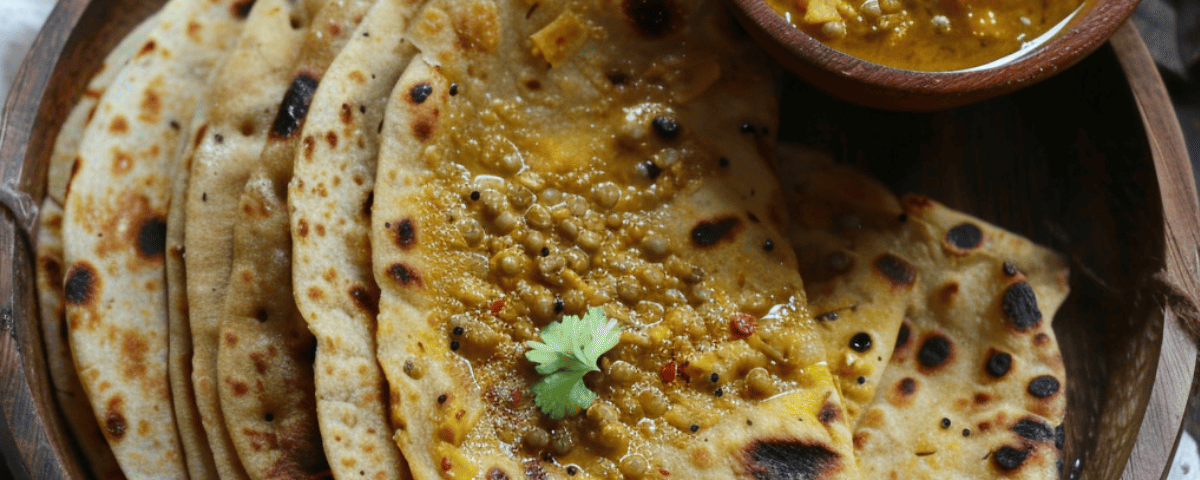
Mauritian Dholl Puri – Spiced Split Pea Flatbreads with Curry
8. February 2026Difficulty
Easy (but long)
Prep time
15 minutes
Cooking time
3-4 hours
Makes
6 servings
Gluten-Free
Yes
Dairy-Free
Yes
The Essence of Meat – For Slow-Cooking Purists
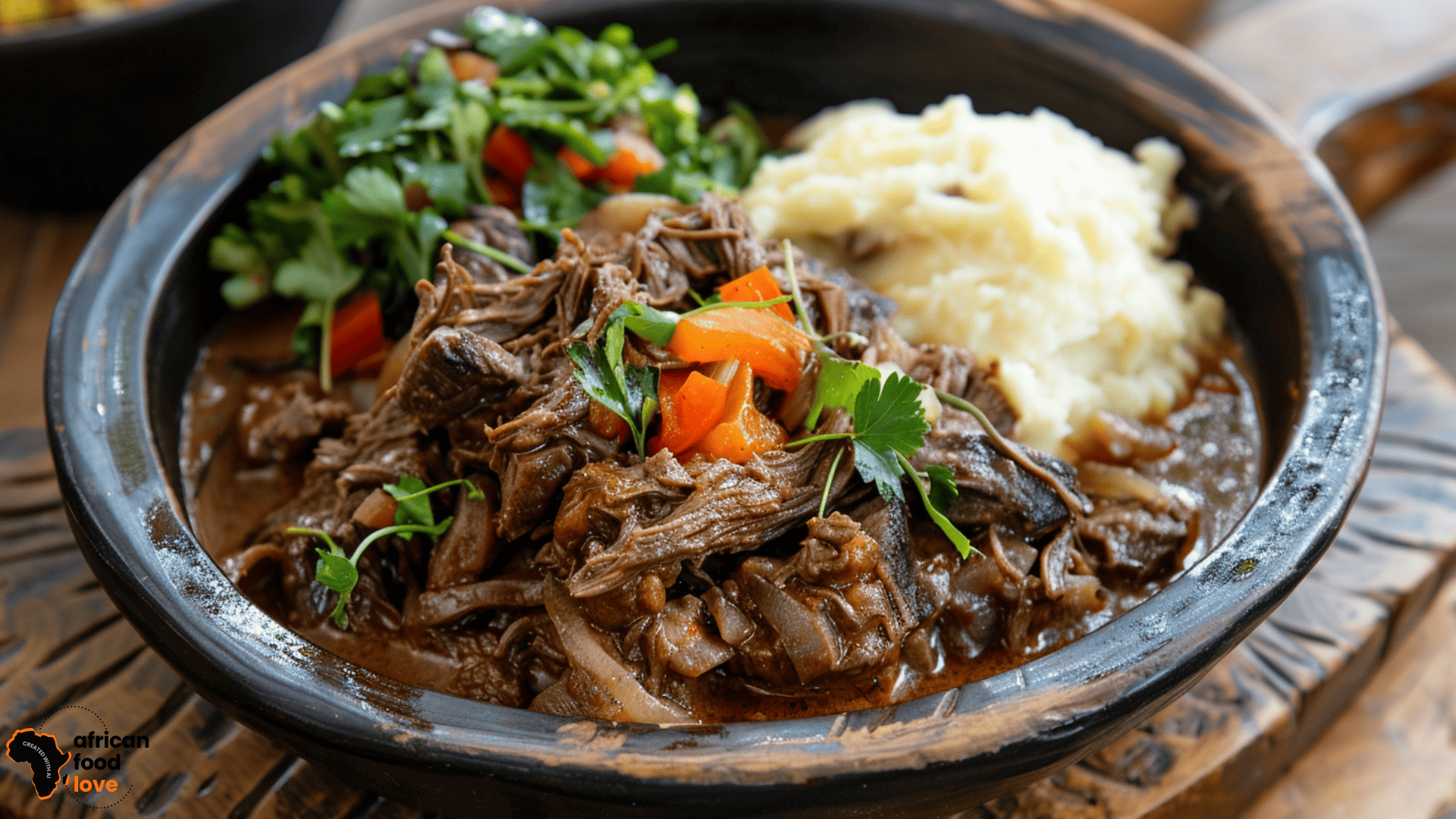
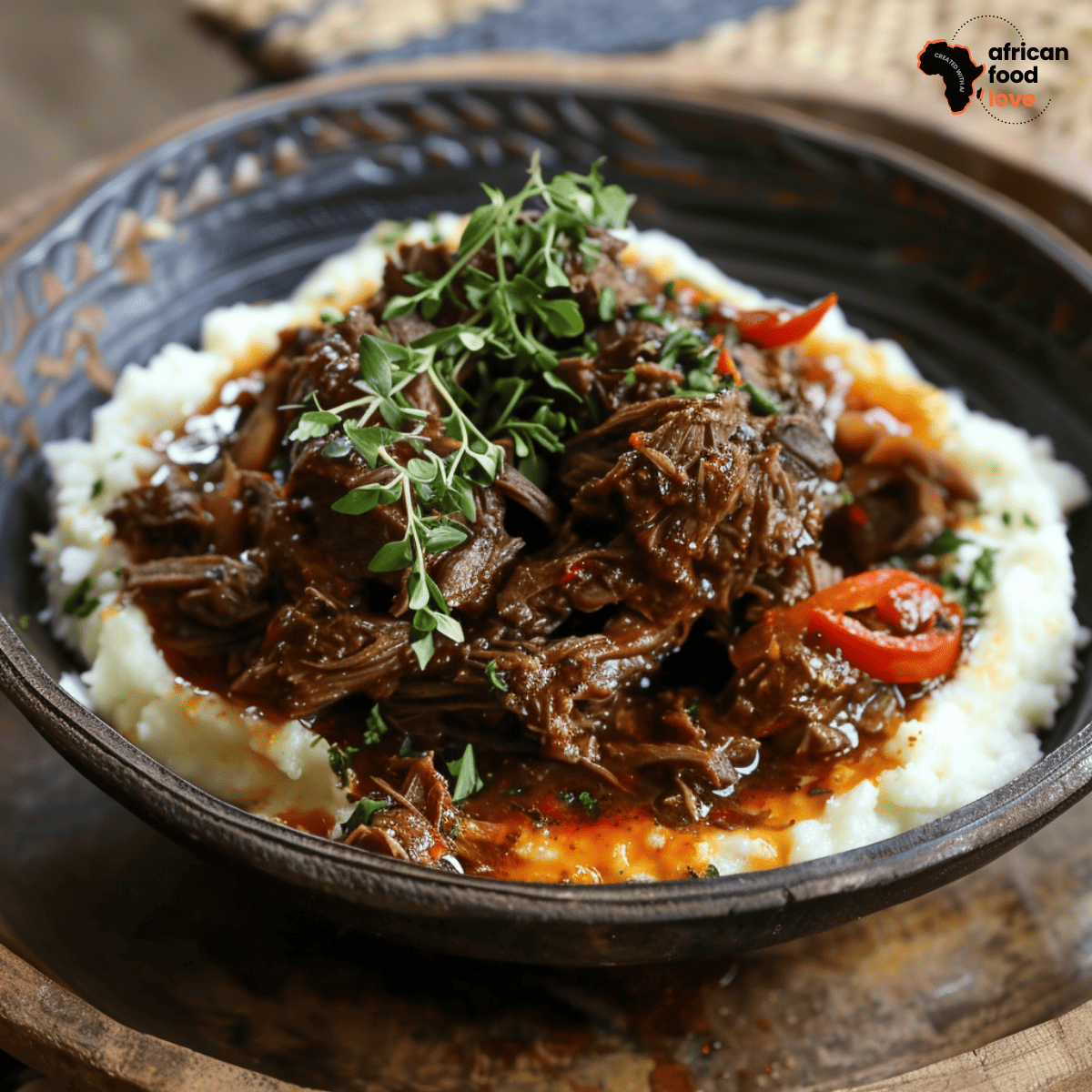
Seswaa (or Chotlho) is Botswana’s national dish, a profound lesson in simplicity. Tough cuts of meat are boiled for hours with nothing but salt and water until fall-apart tender, then pounded or shredded. The result is a deeply savory, concentrated meat masterpiece served over soft maize porridge (pap). It’s for lovers of BBQ brisket or pulled pork who want to taste meat in its purest form, for those who appreciate the magic of slow cooking, and for gluten-free eaters seeking unprocessed, hearty comfort.
Instructions
- The Long Boil – The Foundation of Tenderness Begin by selecting a heavy, thick-walled pot with a tight-fitting lid—a cast-iron Dutch oven or, traditionally, a three-legged potjie. Place your large chunks of meat, preferably bone-in for maximum flavor, into the pot. It is crucial to use a cut with ample connective tissue, such as shin, chuck, or brisket. Cover the meat completely with cold water, ensuring it is submerged by at least two inches. The water should be cold to start, as this allows impurities to be released gradually. Add a generous amount of coarse salt—this is your only seasoning, and it is essential for both flavor and the process of breaking down the meat fibers. You may add a few bay leaves or black peppercorns for a subtle background note, but purists use only salt. Place the pot, uncovered, over high heat and bring to a rolling boil. As it heats, a greyish foam, the scum (impurities and proteins from the meat), will rise to the surface. Use a slotted spoon to carefully and patiently skim off all this foam. This step is vital for achieving a clean, clear, and pure-tasting broth. Once the boiling water is clear and the foaming subsides, immediately reduce the heat to the lowest possible setting your stove can maintain. You want the barest whisper of a simmer, with only a few tiny bubbles rising every few seconds. Cover the pot tightly. Now, you wait. Let the meat simmer undisturbed for 3 to 4 hours. Check only occasionally to ensure the water level remains above the meat, adding a small amount of boiling water if absolutely necessary. The meat is ready when it offers no resistance to a fork and the bones begin to separate cleanly from the flesh.
- Reduce & Concentrate – Creating the Flavorful Essence In the final 30 to 45 minutes of cooking, remove the lid from the pot. Increase the heat slightly to encourage a gentle, steady simmer. This stage of reduction is transformative. As the water evaporates, the broth concentrates from a light, meaty liquid into a rich, gelatinous, intensely savory essence. The saltiness will become more pronounced, and the natural umami of the beef will magnify. You are aiming to reduce the liquid to just a few cups—enough to keep the meat moist for shredding but not so much that it becomes a soup. This reduced liquid, or motlhodi, is the precious sauce of the dish.
- Shred the Meat – The Act of Unification Once the meat is fork-tender and the liquid has reduced, remove the pot from the heat. Using tongs, transfer the meat chunks to a large bowl or back to the pot if you have removed most of the bones. Discard any bones, bay leaves, or large pieces of fat (though some fat is desirable for flavor and moisture). Now, using two forks, a sturdy wooden spoon, or the traditional wooden pestle (motlhokwane), begin to shred and pound the meat. Work directly in the reduced cooking liquid. The goal is not to create a fine paste, but a rustic, stringy, textured mass where the meat fibers separate but remain distinct. The hot broth will be absorbed as you work, making the mixture incredibly moist and cohesive. Continue until you have a uniform, shredded consistency. Taste and adjust with a final pinch of salt if needed, remembering the broth is highly concentrated. The final texture should be juicy and hold together, but not be watery.
- Make the Pap – The Essential Companion While the Seswaa cooks or rests, prepare the pap. In a separate pot, bring salted water to a rolling boil. Gradually shower in the fine white maize meal (mielie-meal) while stirring constantly with a lefielo (wooden stirrer) or whisk to prevent lumps. Once all the meal is incorporated, reduce the heat to low. Stir vigorously and continuously—this is an upper-body workout—for 10-15 minutes until the pap is very thick, smooth, and pulls away cleanly from the sides of the pot. Cover and let it steam on the lowest heat for 5 minutes. Wet your hands with cold water and shape the pap into a large, smooth dome on a serving platter or into individual mounds.
- To Serve – The Communal Feast To serve, place a generous mound of hot, smooth pap on each plate. Using the back of a spoon, make a deep well in the center. Spoon a hearty amount of the steaming, shredded Seswaa directly into this well, allowing its rich juices to pool around the pap. The traditional accompaniment is a simple side of cooked, leafy greens like pumpkin leaves (lerotse) or spinach, which provide a fresh, slightly bitter contrast to the rich meat. The ritual is to take a pinch of pap from the edge, roll it into a ball, and use it to scoop up the savory meat and greens in one perfect, comforting bite.
Ingredients
- 🥩 1.5 kg beef (bone-in shin, chuck, or brisket), cut into large chunks
- 💧 Water to cover
- 🧂 2-3 tbsp coarse salt
- 🌽 For the Pap: 3 cups white maize meal, 6 cups water, 1 tsp salt
- 🍃 Optional: Bay leaves, black pepper

About us
Dive into the unique world of African flavors with Nana! From traditional family recipes to modern creations, Nana brings the diversity and magic of the African continent straight to your kitchen. Get inspired, try authentic and creative dishes, and discover the heartfelt soul of African cuisine on your plate.