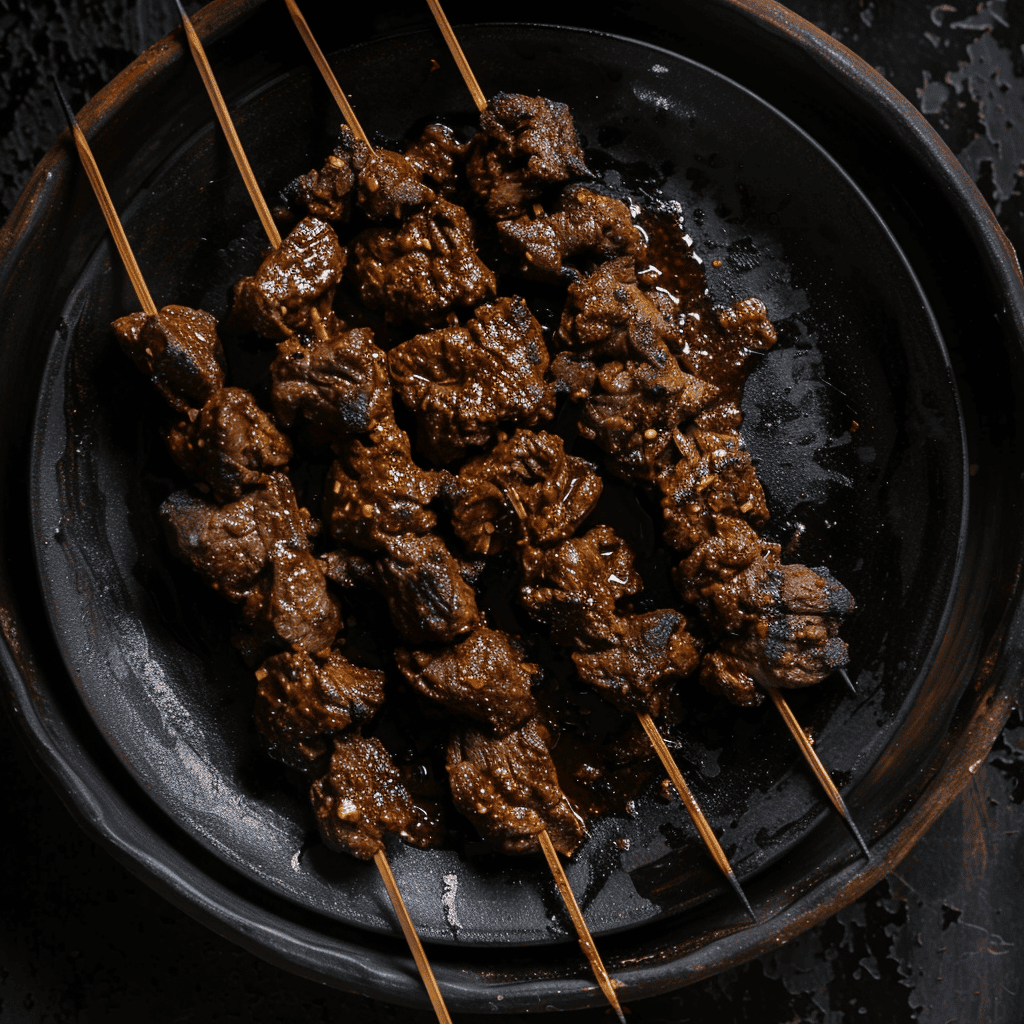
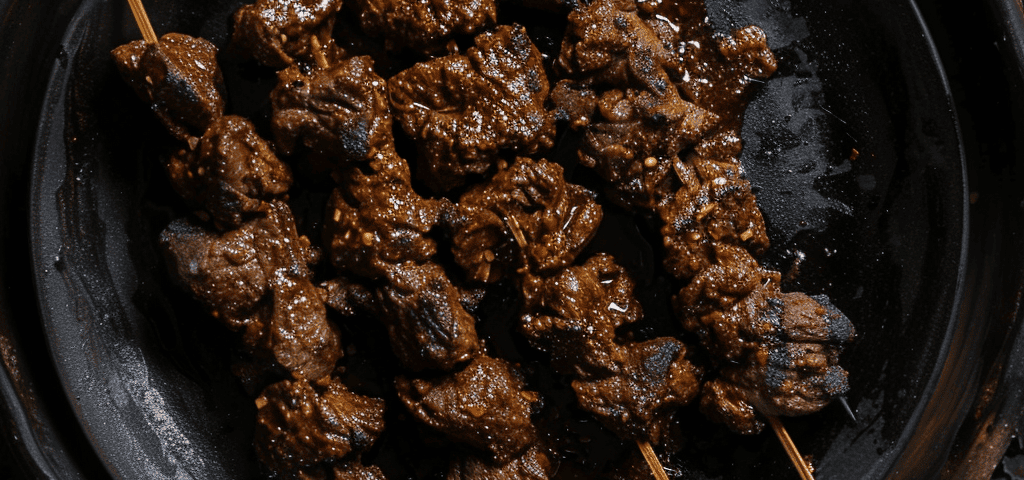
Namibian Kapana – Street-Style Grilled Beef with Spicy Dust
1. February 2026
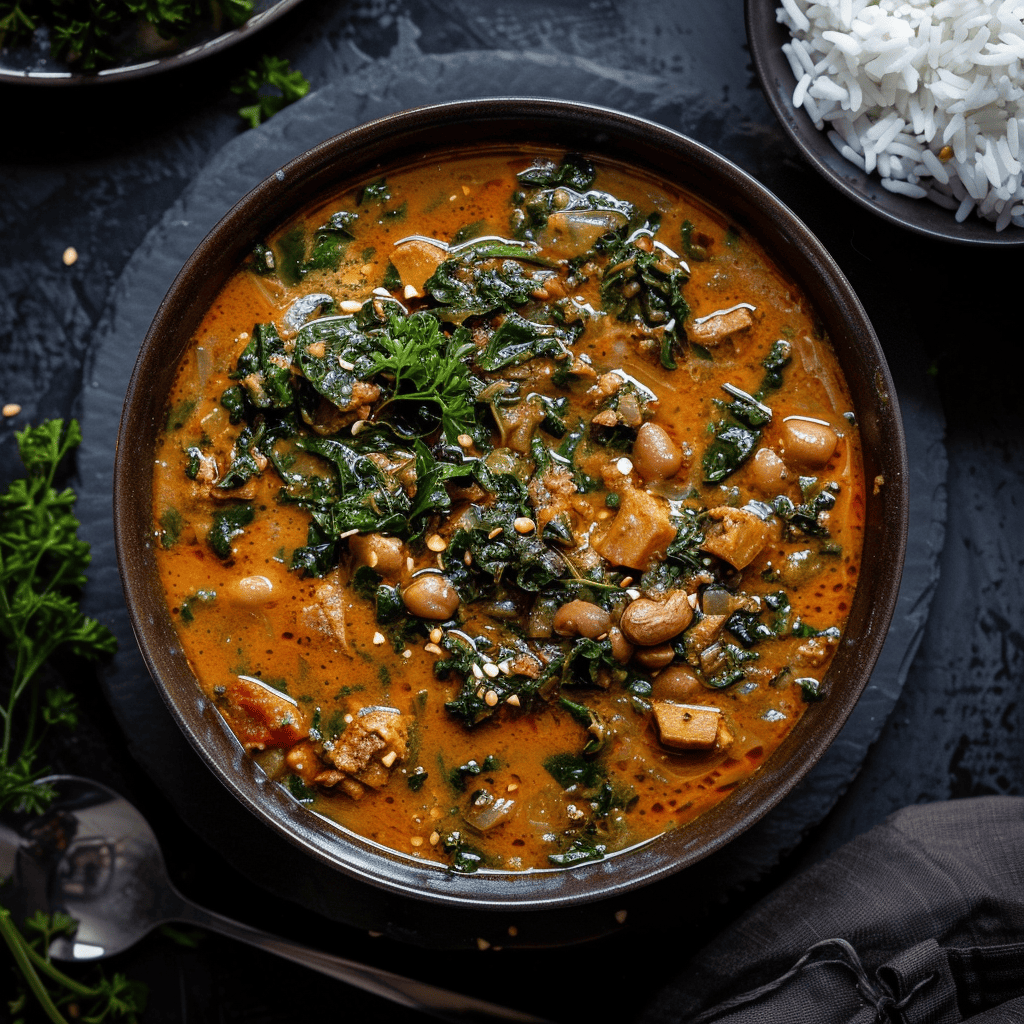
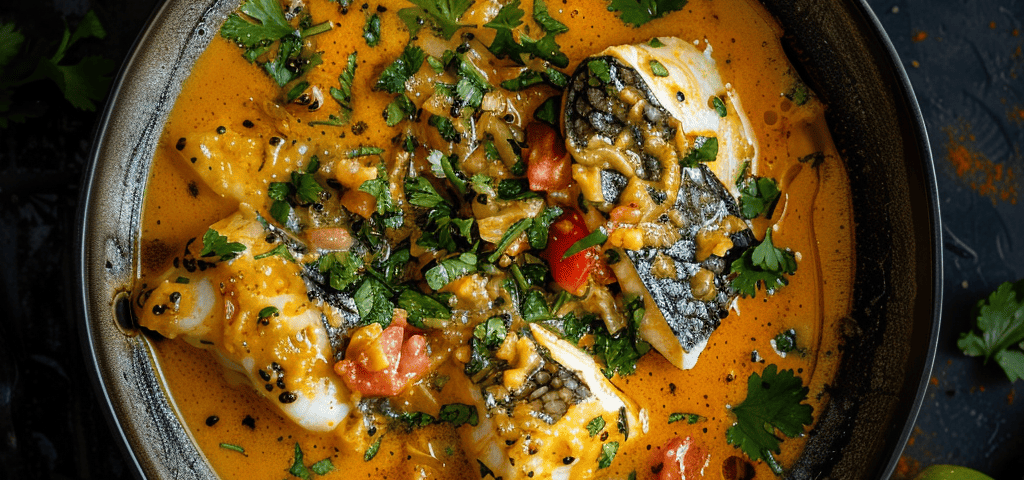
Sierra Leonean Cassava Leaf Stew – Rich, Earthy & Satisfying
5. February 2026Middle
30 minutes
2 hours
6 servings
Description
Instructions
- Peel – Mastering the Technique:
Begin by laying a plantain on your cutting board. Using a sharp knife, slice off both ends, creating flat, stable surfaces. Now, here's the key: you are not trying to peel it like a banana. Instead, make 3 to 4 shallow, lengthwise cuts through the thick, fibrous skin, from one end to the other. You want to just penetrate the skin, not cut deeply into the flesh. Next, use your thumbnail or the blunt edge of a butter knife to pry under one of these cut sections. Once you have a starting point, use your fingers to carefully peel back each segment of skin. It will come off in strips. The flesh underneath is firm and can be quite sticky, releasing a tacky sap. To manage this, keep a small bowl of vegetable oil nearby and lightly coat your fingertips every few plantains. This creates a barrier, making the process smoother and preventing the sticky residue from coating your hands. The goal is clean, unblemished cylinders of starchy plantain.
- Wrap – Creating the Flavor Parcel:
If you are using fresh or frozen banana leaves, you must make them pliable. Briefly pass them over an open gas flame for a few seconds on each side until they become glossy and soft, or dip them in a bowl of just-boiled water. This prevents them from cracking. Lay a prepared leaf flat (or use a large sheet of heavy-duty aluminum foil). Place 3 to 4 peeled plantains in the center, parallel to each other. Scatter a few slices of onion and a smashed garlic clover over the top. The onion and garlic will steam gently with the plantains, imparting a subtle, aromatic sweetness that permeates the starchy fruit. Now, fold the leaf or foil over the plantains like a package. Fold in the sides, then roll tightly to create a neat, sealed parcel. This wrapping does two things: it contains all the steam, ensuring even, intense cooking, and if using banana leaves, it imparts a faint, grassy, earthy aroma that is the soul of authentic Matooke. Repeat until all plantains are wrapped.
- Steam – The Slow Transformation:
Place a steamer basket or a collapsible metal steamer inside a large, heavy-bottomed pot. Arrange your parcels inside, stacking them if necessary. Pour in about 2 inches of water—ensure the water level is below the bottom of the steamer basket; you are steaming, not boiling, the parcels. Cover the pot with a tight-fitting lid. Bring the water to a boil, then immediately reduce the heat to maintain a steady, robust simmer. This is a long, slow process. Steam for 1 to 1.5 hours. It’s crucial to check the water level every 30 minutes, adding more boiling water from a kettle if needed to prevent the pot from running dry. The matooke is ready when a fork or skewer pierces the largest plantain with absolutely no resistance. Their color will have transformed from a stark white to a soft, buttery pale yellow. They will be incredibly tender, almost custard-like in texture, and ready to soak up the rich stew.
- Sauté Aromatics – Building the Foundation:
In a large, heavy-bottomed Dutch oven or pot, heat the oil over medium heat. Add all the chopped onions along with that initial pinch of salt. The salt draws out moisture, helping the onions to soften evenly. Now, practice patience. Cook the onions, stirring occasionally, for a good 8 to 10 minutes. You are not just softening them; you are coaxing them to a state of golden brown. This is not a quick sauté—this is the first layer of depth, where the natural sugars in the onions caramelize slowly, building a sweet, savory base note that will carry the entire stew. A proper golden-brown onion foundation is non-negotiable for flavor.
- Build Flavor – The Aromatic Bloom:
Once the onions are beautifully golden, add the minced garlic, ginger, smoked paprika, and ground coriander. Stir constantly for about 60 seconds. In this short, critical window, the heat awakens the volatile oils in the spices. The garlic and ginger lose their raw edge, and the coriander and smoked paprika release their warm, citrusy, and subtly smoky fragrances. This process, called "blooming," intensifies their power exponentially. Immediately add the blended or finely chopped tomatoes. Stir well and cook, stirring frequently, for another 8 to 10 minutes. You will see the tomatoes change from bright and watery to a thicker, darker paste, and the oil will start to separate and glisten around the edges. This signals that the tomatoes have cooked down sufficiently, their acidity mellowed and their flavor concentrated.
- The Nutty Transformation – The Heart of the Dish:
Here comes the pivotal moment. Add the entire amount of natural peanut butter to the pot. At first, it will seem daunting—a thick, dense mass that clumps stubbornly. This is normal. Begin stirring it into the tomato-onion base; it will form a very thick paste. Now, take your first 2 cups of broth and add them gradually, about half a cup at a time. With each addition, stir vigorously and patiently until the peanut butter is fully incorporated and smooth before adding more. This meticulous method is the only way to prevent a lumpy, grainy sauce. You will be rewarded with a velvety, thick, fragrant paste that is the very essence of the stew.
- Simmer & Thicken – Letting the Magic Happen:
Pour in the remaining broth and add the whole Scotch bonnet peppers. Piercing them is enough—they will infuse a pervasive, fruity heat throughout the stew without making it overwhelmingly spicy. Bring the pot to a gentle simmer, then reduce the heat to low. Let it cook uncovered for 30 to 40 minutes. Do not rush this. As it simmers, it will reduce and thicken naturally into a luxurious, creamy gravy. The peanut flavor will deepen and mellow, marrying completely with the spices and tomatoes. Stir occasionally to prevent sticking at the bottom. After about 30 minutes, season generously with salt. The long simmering time is what transforms this from a simple peanut sauce into a profound, complex Groundnut Stew.
- The Green Finish – A Pop of Freshness:
Finally, stir in your chopped spinach or amaranth leaves. They will seem like a lot, but will wilt down dramatically in the heat. Stir and cook for just 4 to 5 minutes, until the greens are tender but still vibrant. This adds a necessary fresh texture and a nutritional boost. Before serving, use a spoon to fish out and discard the whole Scotch bonnet peppers.
Ingredients
- You'll Need: For the Matooke (Steamed Plantains):
- 🍌 10-12 green, unripe plantains (the skin should be very green and hard to peel)
- 🍌 2-3 soft banana leaves (for authentic wrapping – or use foil/aluminum steam bags)
- 🧅 1 onion, sliced
- 🧄 3 cloves garlic, smashed
- 💧 Water for steaming
- For the Groundnut Stew:
- 🥜 1 ½ cups unsweetened, unsalted smooth peanut butter (natural is bes
- 🍅 4 medium ripe tomatoes, blended or finely chopped
- 🧅 2 large onions, finely chopped
- 🧄 5 cloves garlic, minced
- 🫚 2-inch piece ginger, minced
- 🌶️ 1-2 Scotch bonnet or habanero peppers, whole (pierced)
- 🌿 1 tsp smoked paprika
- 🫙 1 tsp ground coriander
- 🥬 2 cups chopped spinach or amaranth leaves (dodo)
- 🫒 ¼ cup vegetable oil
- 💧 5-6 cups vegetable broth or water
- 🧂 Salt to taste

About us
Dive into the unique world of African flavors with Nana! From traditional family recipes to modern creations, Nana brings the diversity and magic of the African continent straight to your kitchen. Get inspired, try authentic and creative dishes, and discover the heartfelt soul of African cuisine on your plate.