Beninese Ayimolou – Black-Eyed Peas & Quinoa Power Bowl
29. January 2026
Egyptian Kushari – Lentils, Rice & Pasta – The Ultimate Street Food
31. January 2026Intermediate
30 min (plus soaking)
1 hour
6 servings
Gluten-Free
Yes
Gluten-Free
Yes
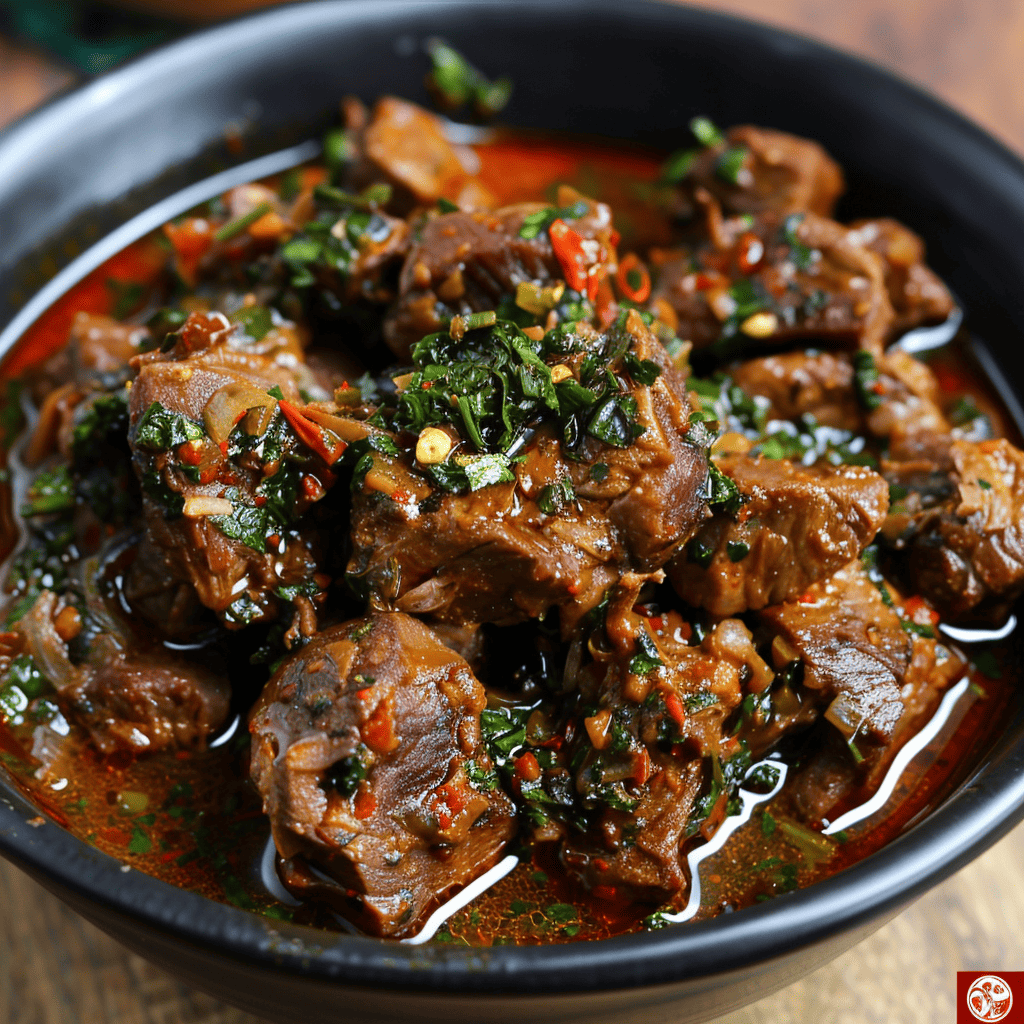
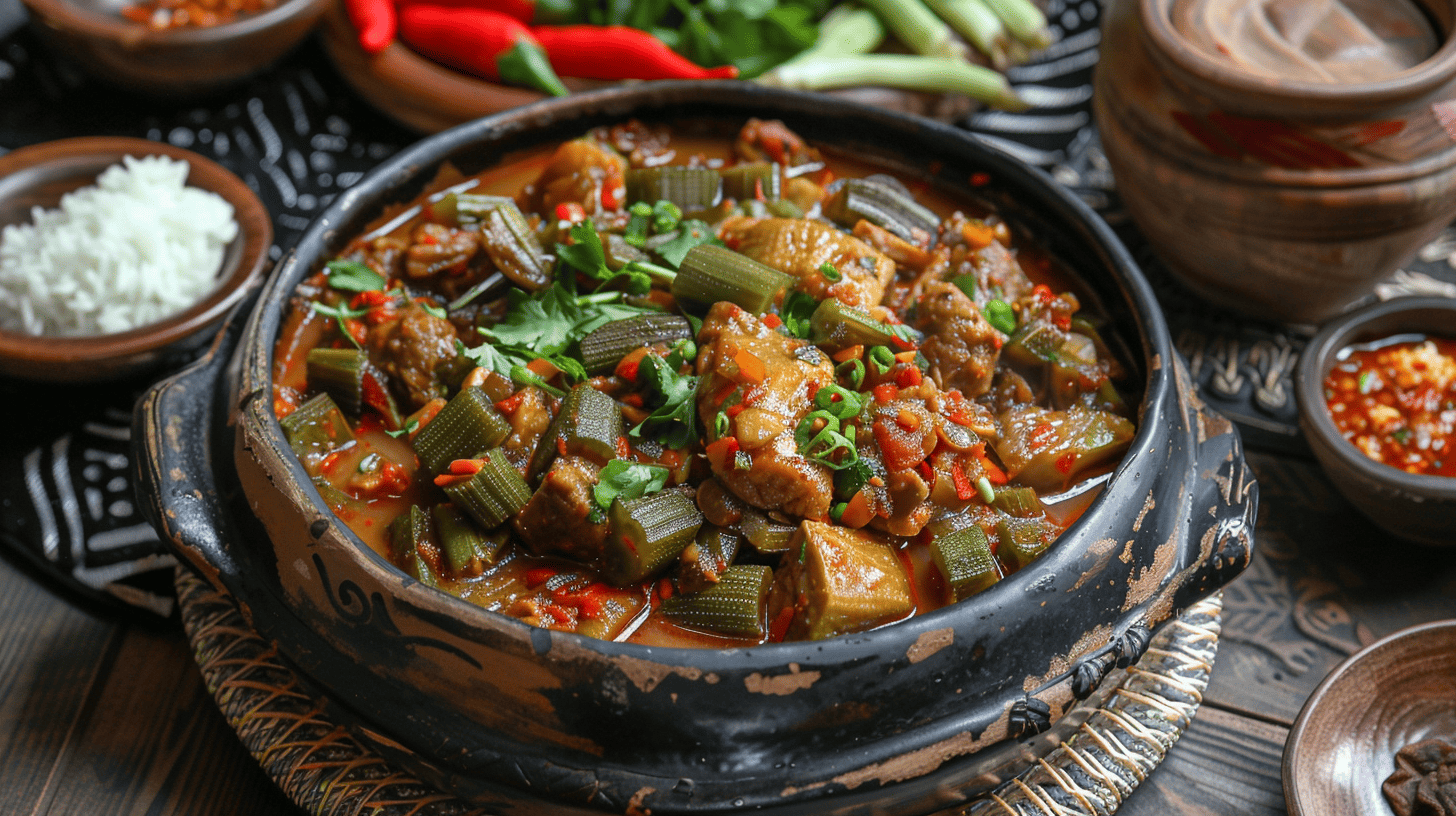
The Taste of Luanda’s Markets – For the Umami Connoisseur
Instructions
- Prep the Dried Fish – The Sacred Foundation of Umami
This first step cannot be rushed and is the absolute cornerstone of an authentic Calulu. Place your dried, salted fish—whether it’s the traditional bacalhau (salted cod) or another dried, salted variety like mackerel or stockfish—in a large, non-reactive bowl or baking dish. Cover it completely with cold water. The fish will float; weigh it down with a plate to ensure it is fully submerged. Place the bowl in the refrigerator. Over the next 12 to 24 hours, you must change the water at least three to four times. Each time, you'll see the water turn cloudy with extracted salt.
This meticulous desalination process is non-negotiable. It doesn't just remove excessive saltiness; it rehydrates the tough, leathery flesh, turning it tender and preparing it to absorb the stew's flavors. After soaking, drain the fish thoroughly. Using your fingers, carefully flake it into large, substantial chunks, diligently feeling for and removing any tiny bones and pieces of tough skin. The goal is succulent, flavorful pieces, not a mush. Reserve these precious flakes.
- Build the Stew Base – The Aromatic Trinity In a large, heavy-bottomed pot, heat the red palm oil over medium heat. The oil is ready when it becomes fluid and releases its characteristic earthy, nutty aroma—a scent that is the very soul of this dish. Add the sliced onions and a pinch of salt. Sauté, stirring occasionally, for 6-8 minutes until they soften, wilt, and become translucent, taking on a slight golden hue from the oil. Now, add the minced garlic, chopped tomatoes, and the whole chili pepper (pierced to release its heat). Cook this mixture, stirring frequently and using the back of your spoon to gently crush the tomatoes. Continue for 8-10 minutes, until the tomatoes have completely broken down, their juices have evaporated, and the mixture has thickened into a fragrant, cohesive base where the oil may start to separate at the edges. This step, known as refogado, concentrates the flavors and forms the flavorful canvas for the fish.
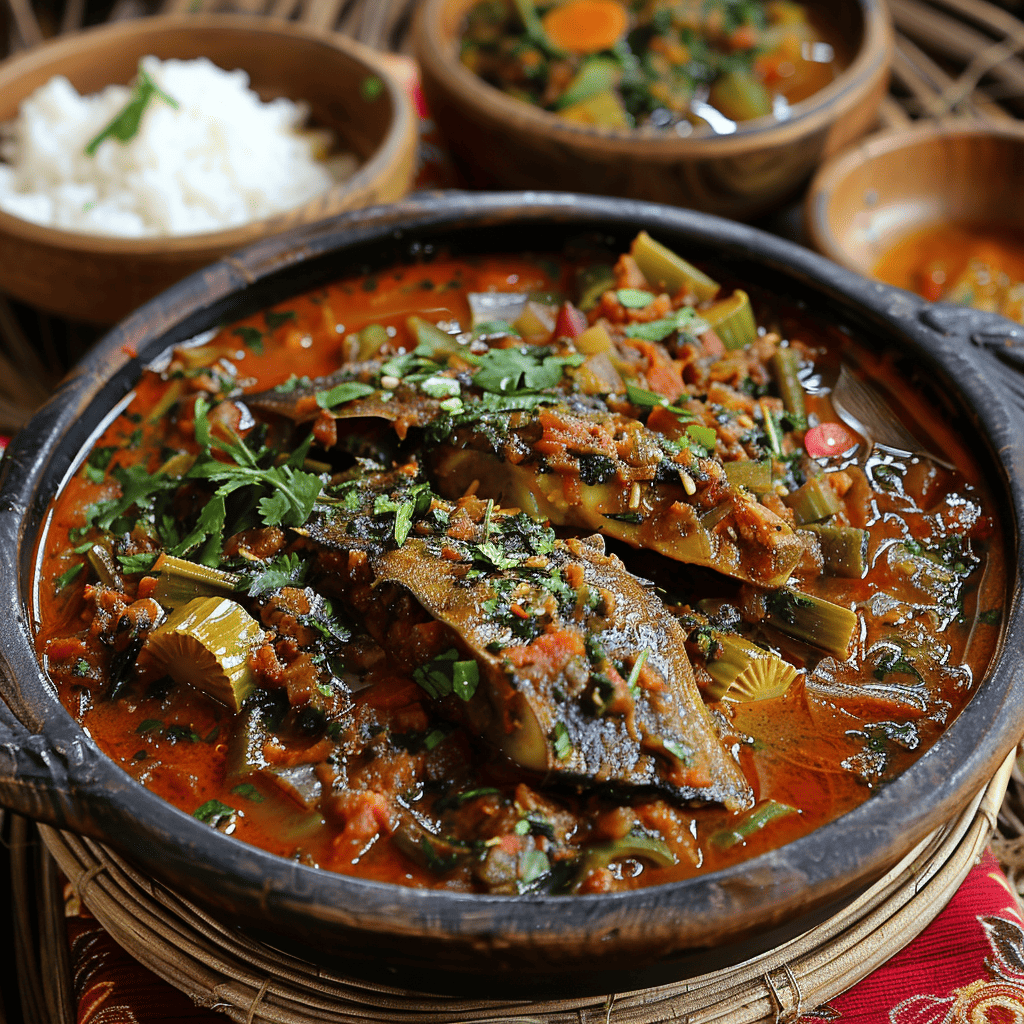
- Simmer the Stew – Uniting Land and Sea Gently add the flaked, desalted fish to the aromatic base. Pour in the water or light broth—using broth will add another layer of depth. The liquid should just cover the ingredients. Bring the pot to a lively boil, then immediately reduce the heat to the lowest setting to maintain the gentlest possible simmer. Cover the pot and let it cook undisturbed for 20 minutes. This initial simmer is crucial. It allows the flavors of the rehydrated fish—its deep, savory, oceanic umami—to slowly bleed into the broth, marrying with the sweetness of the tomatoes and onions. The broth will transform from a simple liquid into a complex, flavorful stock that is the lifeblood of the stew.
- Add Vegetables – The Green Heart & Natural Thickener After 20 minutes, it's time for the vegetables. First, add the whole okra pods, with just the very stem end trimmed off to prevent a slimy release inside the pod. Then, add your chopped greens—sweet potato leaves, spinach, or kale. Do not stir vigorously at this point. Simply press them down into the simmering broth. Cover the pot again and simmer for another 20-25 minutes. During this stage, two key things happen: the okra pods slowly cook until just tender, and they release their natural mucilage, which acts as a superb, silky thickener for the stew, giving it body without needing any flour. The greens wilt completely, contributing their earthy flavor and vibrant color, turning the stew into a hearty, verdant feast.
- Make the Funge – The Essential Neutral Canvas While the stew finishes, prepare the Funge, the classic Angolan accompaniment. In a separate, heavy pot, bring the salted water to a rolling boil. Reduce the heat to medium-low. Now, with one hand, take handfuls of cassava flour (farinha de mandioca) and start "showering" it into the boiling water in a very slow, steady rain. With your other hand, wield a traditional xixa (a long, strong wooden spoon) or a sturdy whisk and stir vigorously and without stopping in a circular motion. This constant stirring is a workout and prevents lumps from forming. The mixture will quickly thicken from a slurry into a very stiff, smooth, and elastic dough that pulls cleanly away from the sides of the pot. Once it reaches this cohesive state, wet your hands with cold water and quickly shape the hot mass into smooth, rounded mounds on a serving plate. Its purpose is to be bland and starchy, the perfect vehicle to scoop up the intensely flavorful stew.
- To Serve – The Perfect Union To serve authentically, place a generous mound of warm, firm Funge on one side of a deep plate or shallow bowl. Ladle the Calulu stew next to it or partially over it, ensuring plenty of broth, vegetables, and flaky fish. The ritual is to pinch off a small piece of Funge with your fingers, roll it into a ball, and use it to scoop up the stew. The contrast between the neutral, sticky Funge and the deeply savory, slightly tangy, and vegetable-rich stew is the defining experience of the dish.
Ingredients
- 🐟 300g dried fish (salted cod bacalhau or dried mackerel), soaked
- 🍅 4 tomatoes, chopped
- 🧅 2 onions, sliced
- 🫒 1 bunch okra, tops trimmed
- 🥬 1 bunch sweet potato leaves or spinach
- 🌶️ 2 red chili peppers
- 🫒 ½ cup red palm oil
- 🧄 4 garlic cloves
- 💧 1.5 liters water or light broth
- For the Funge:
- 🌽 2 cups cassava flour (farinha de mandioca)
- 💧 4 cups water
- 🧂 1 tsp salt

About us
Dive into the unique world of African flavors with Nana! From traditional family recipes to modern creations, Nana brings the diversity and magic of the African continent straight to your kitchen. Get inspired, try authentic and creative dishes, and discover the heartfelt soul of African cuisine on your plate.