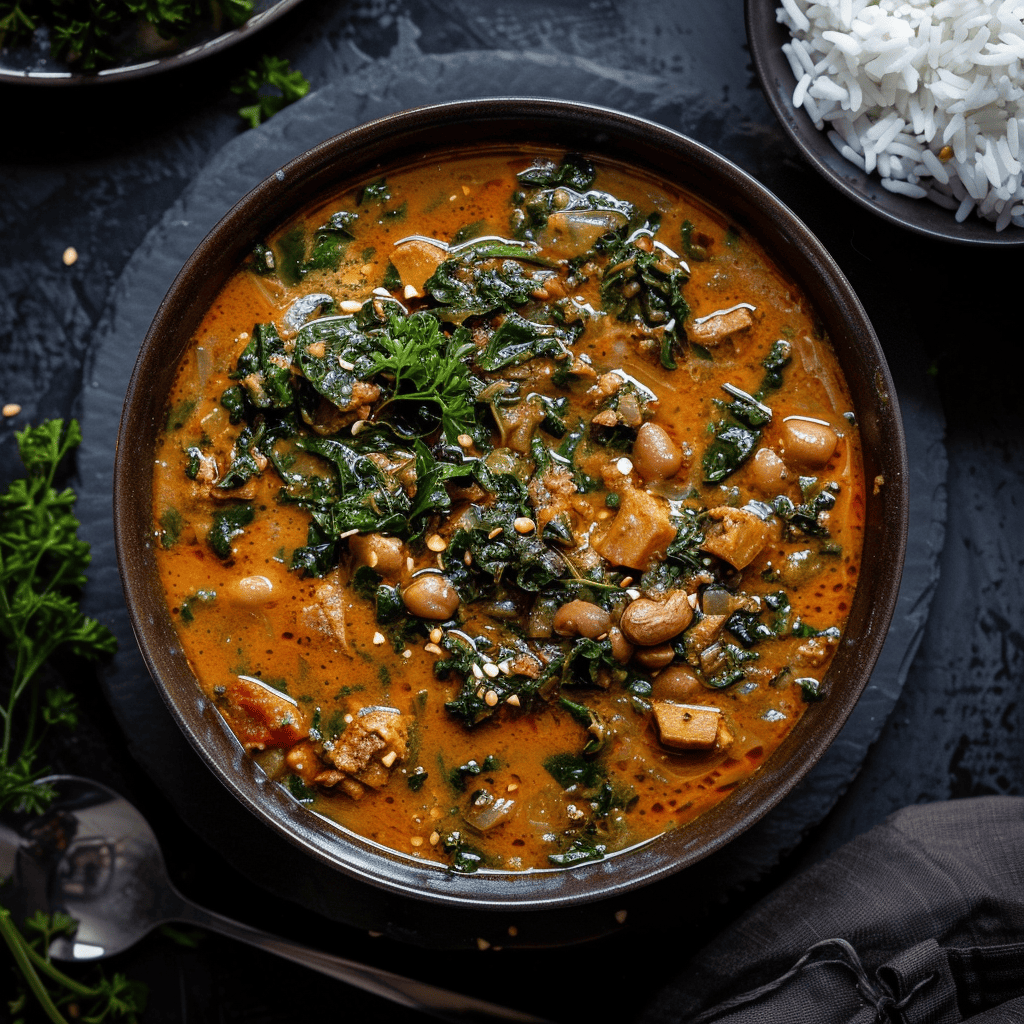
Zimbabwean Dovi – Creamy Peanut Butter Stew
25. January 2026
Beninese Ayimolou – Black-Eyed Peas & Quinoa Power Bowl
29. January 2026Easy
20 min (+ 4 hours/overnight marinating)
10 minutes
4 (makes about 12 skewers)
Description
Instructions
- The Magic Marinade – Building Layers of Flavor
This isn't a quick coat-and-cook situation. The marinade is the heart and soul of Zanzibari Beef Mishkaki, a complex paste that tenderizes, perfumes, and ultimately creates that iconic sticky-charred glaze.
- The Wet Paste – Where the Journey Begins:
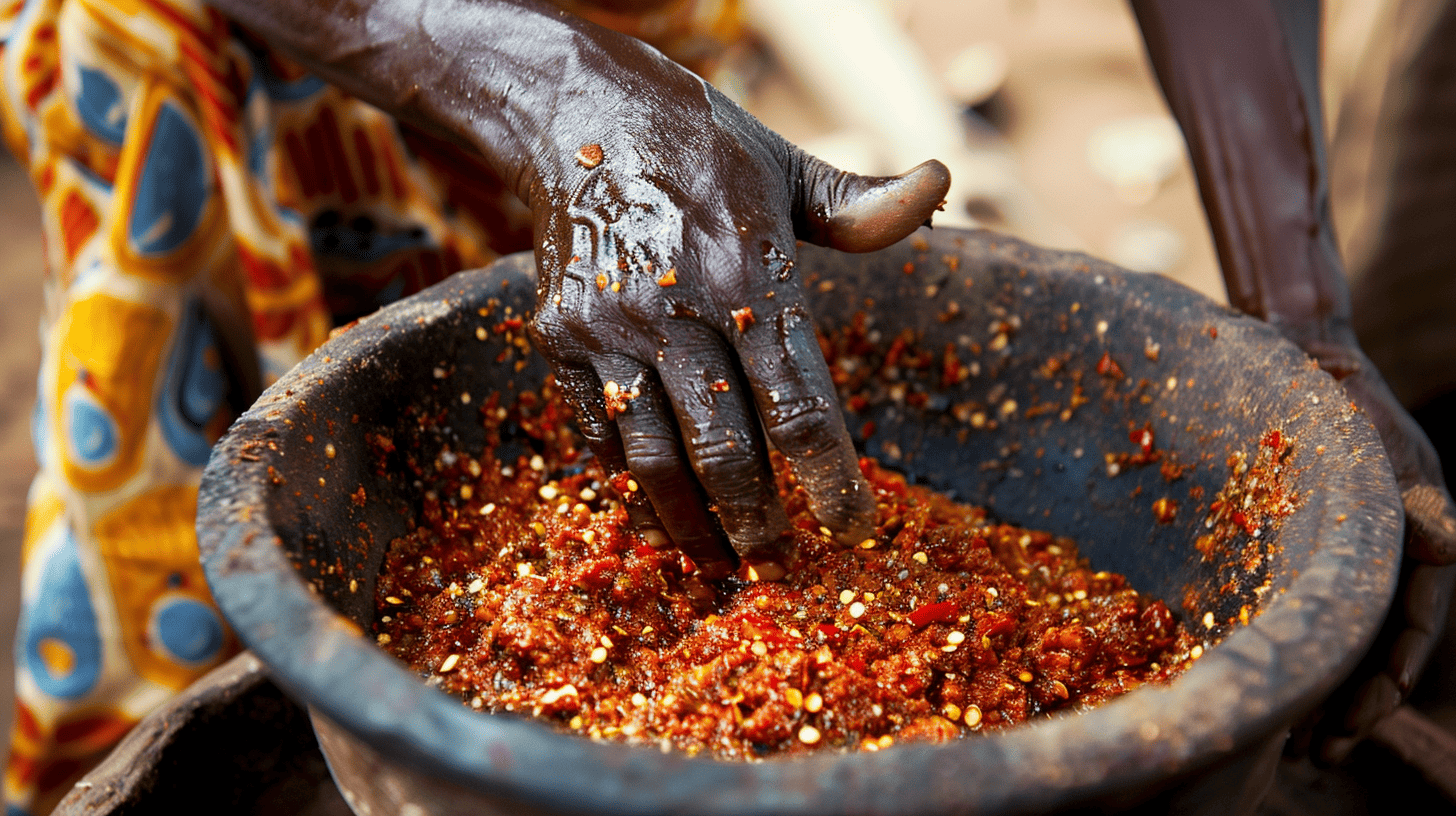
In a large, non-reactive bowl—glass or ceramic is perfect—you'll build your flavor foundation. Start with the grated red onion, making sure to scrape every bit of its pungent juice from the grater into the bowl. This juice is liquid gold, adding moisture and sharp sweetness. Add the crushed garlic, the grated ginger (which should feel almost fluffy), the vibrant lime juice, the dark, complex tamarind paste, the oil, salt, and a generous grind of black pepper. If you're using pili pili mbuzi or cayenne for heat, add it now. Now, roll up your sleeves and mix. Use a fork or your fingers to mash and stir until it transforms from a collection of ingredients into a coarse, deeply aromatic, rust-colored paste. You should see the oil just beginning to emulsify with the acidic juices. Take a moment to smell it—it's sharp, tangy, and excitingly unfamiliar.
- The Herb Infusion – The Signature Zanzibar Twist: Once your paste is uniform, it's time for the herbal lift. Stir in the finely chopped cilantro and, crucially, the fresh mint. Don't just sprinkle it on top; fold it in thoroughly so the herbs are distributed and begin to release their oils into the acidic base. This mint is non-negotiable. While cilantro adds a fresh, grassy note, the mint introduces a cool, bright, almost floral top note that cuts through the richness of the beef and the deep tang of the tamarind in a way no other herb can. It's this specific combination that whispers of Zanzibar's spice trade history and Omani influences, setting these skewers apart from any other grilled meat you've tasted.
- Marinate – The Patient Transformation:
Now, add your cubed beef to the bowl, along with any remaining onion chunks you've reserved. This is a hands-on job. Using your fingers, massage and knead the marinade into every nook and cranny of each beef cube with intention. Ensure each piece is glistening and completely coated, disappearing into the dark paste. Think of it as giving the meat a flavorful rub. Once thoroughly embraced, cover the bowl tightly with plastic wrap or a lid and place it in the refrigerator. This is where patience becomes your most important ingredient. A minimum of 4 hours is required, but overnight is transformative. During this slow marination, the acids from the lime and tamarind work gently on the protein, beginning the tenderizing process, while the spices and herbs permeate deep into the meat. The flavors mature, mellow, and marry. The longer it sits, the more profound the result.
- Soak & Thread – The Practical Prep:
At least 30 minutes before you plan to grill, submerge your wooden skewers completely in a tray of cold water. This simple step is critical—it prevents them from catching fire and burning to ash on your grill, leaving your precious meat behind. While they soak, remove the marinated meat from the refrigerator and let it sit on the counter for about 20 minutes to take the chill off; grilling ice-cold meat leads to uneven cooking. When you're ready, thread the beef cubes onto the drained skewers, alternating with the marinated onion chunks. The onions will caramelize beautifully and offer sweet, juicy bursts between the savory meat. Leave a small space at each end of the skewer for easy handling.
- Fire Up – Choosing Your Heat Source:
If you have access to a charcoal grill, now is the time to use it. Light the coals and let them burn until they are coated in a layer of white-grey ash, indicating they are at the perfect, searing-hot temperature for direct grilling. That subtle smokiness is the authentic touch. If using a gas grill, preheat it on high for at least 15 minutes with the lid closed. For a stovetop method, a cast-iron grill pan screaming hot is your best bet, or use your oven's broiler on its highest setting with a rack placed close to the element. The goal is intense, direct heat.
- The Sizzle – The Culmination:
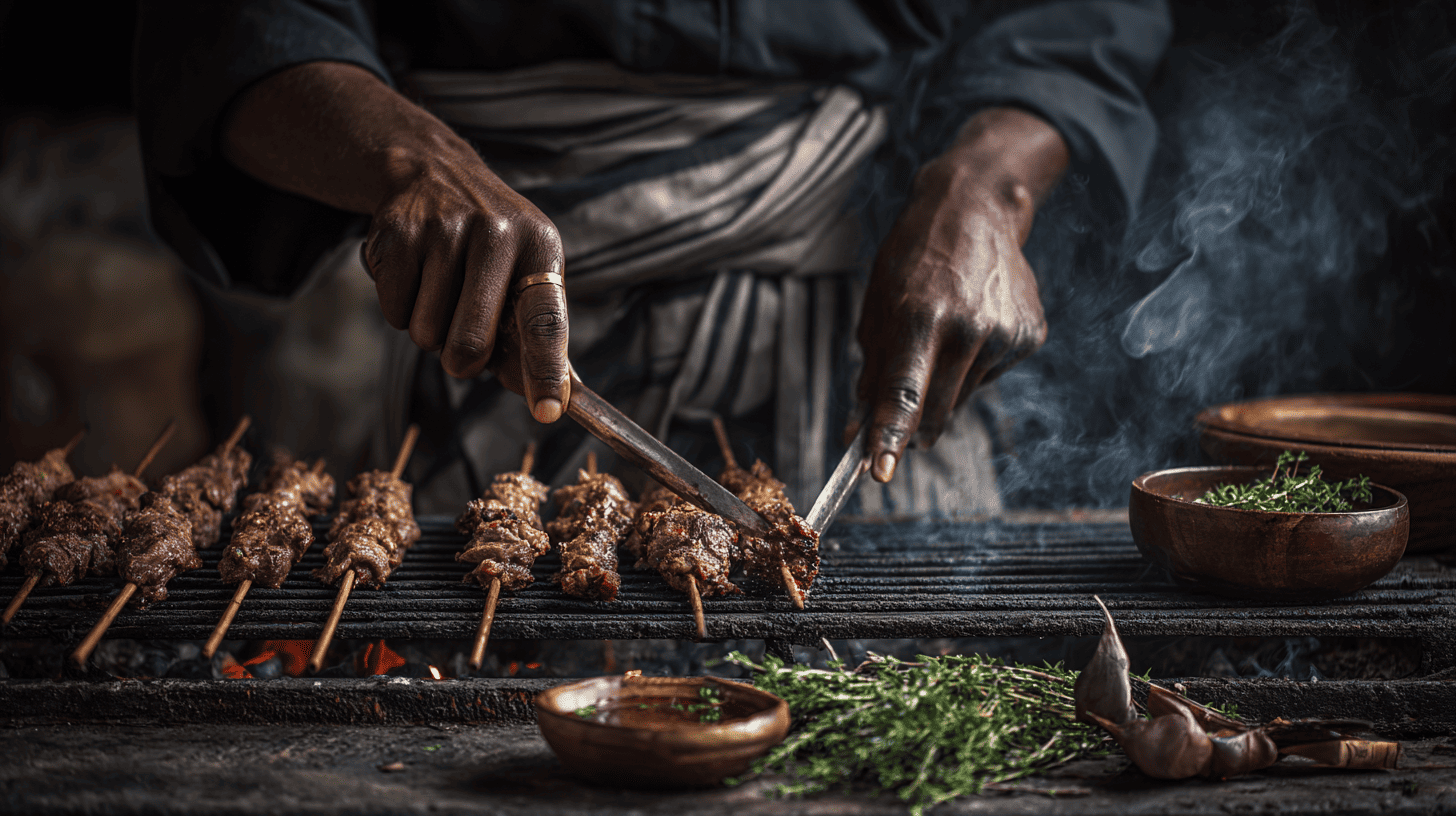
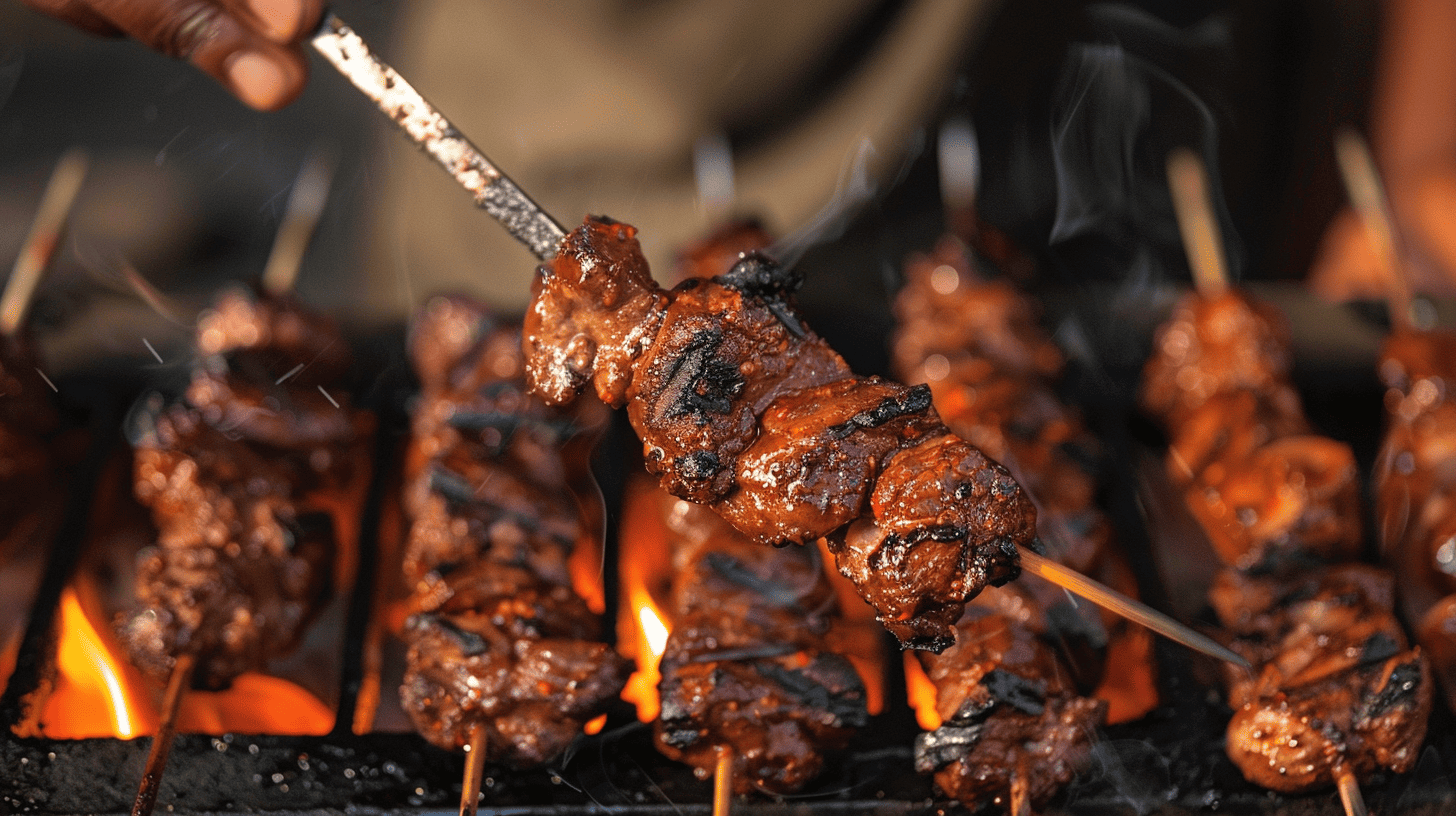
Place your skewers directly over the high heat. You should be greeted by an immediate, satisfying hiss. Grill for 3-4 minutes on the first side, undisturbed, to develop a proper sear. Peek underneath—you're looking for deep, dark brown, even slightly blackened grill marks and a crust forming. Then, turn them carefully and repeat on the other side. You may turn them once more for even coloring on all edges. Do not move them constantly, and do not overcook. For medium, the interior should be juicy and pink. The high heat will cause the natural sugars in the onion juice and tamarind to caramelize on the surface, creating that irresistible, sticky-glazed exterior that is the hallmark of perfect mishkaki.
- The Rest – A Crucial Pause:
As soon as the skewers are done, transfer them not to a bare plate, but to a clean platter or a cutting board. Loosely tent them with aluminum foil. This five-minute rest is not optional downtime; it's the final stage of cooking. The intense heat has driven the juices towards the center of the meat. Allowing it to rest lets those juices relax and redistribute throughout each cube. If you were to cut into it immediately, all those flavorful juices would simply run out onto the plate, leaving you with drier meat.
Ingredients
- 🥩 1.5 lbs beef sirloin or tender steak, cut into 1-inch cubes
- 🧅 1 large red onion, ½ grated (for marinade), ½ cut into chunks (for skewers)
- 🧄 6 cloves garlic, crushed
- 🫚 3-inch piece fresh ginger, grated
- 🍋 Juice of 2 limes
- 🥄 2 tbsp tamarind paste or concentrate
- 🌶️ 1-2 tbsp pili pili mbuzi (Swahili chili powder) or cayenne pepper
- 🌿 2 tbsp fresh cilantro, finely chopped
- 🌱 2 tbsp fresh mint, finely chopped (the secret Zanzibar touch!)
- 🫒 3 tbsp vegetable oil
- 🧂 2 tsp salt
- 🫙 1 tsp black pepper
- 🫒 For serving: Lemon wedges, kachumbari (tomato-onion salad), chapati

About us
Dive into the unique world of African flavors with Nana! From traditional family recipes to modern creations, Nana brings the diversity and magic of the African continent straight to your kitchen. Get inspired, try authentic and creative dishes, and discover the heartfelt soul of African cuisine on your plate.