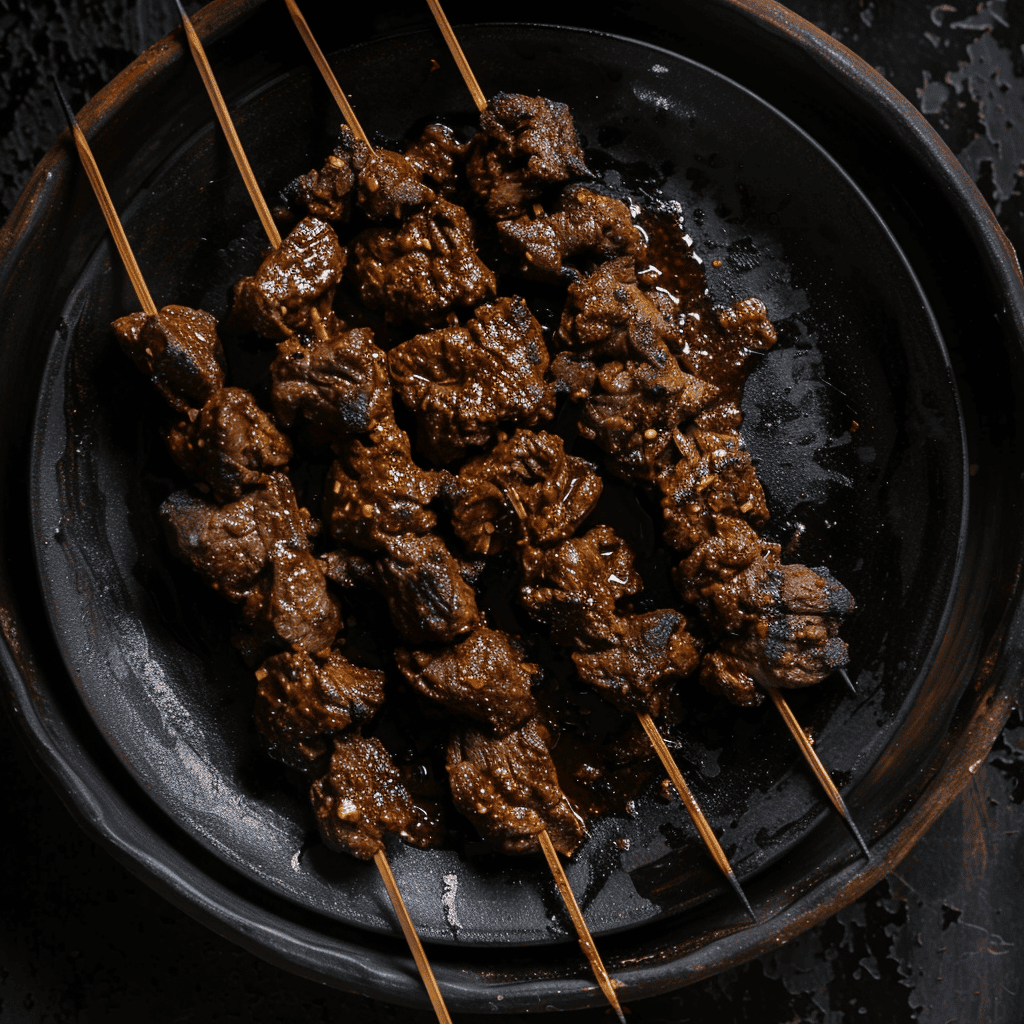
Malawian Chambo with Nsima – Grilled Tilapia & Stiff Porridge
11. January 2026
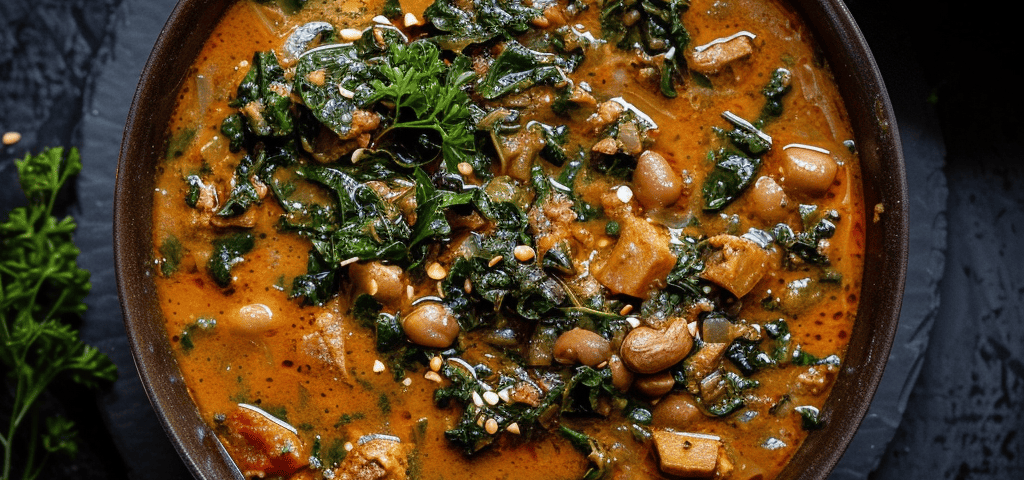
Ghanaian Groundnut Soup (Nkatekwan) with Chicken & Spinach
15. January 2026Difficulty
Easy
Prep time
15 minutes
Cooking time
30 minutes
Makes
4 servings
Description
Sukuma Wiki literally means "to stretch the week" in Swahili, and this dish of Kenyan Sukuma Wiki with Ugali is the ultimate testament to resourceful, nourishing cooking. It's the comforting meal you'll find in homes from Nairobi to Mombasa at the end of the week, turning simple greens and maize flour into something deeply satisfying and hearty. It's the taste of resilience and home.
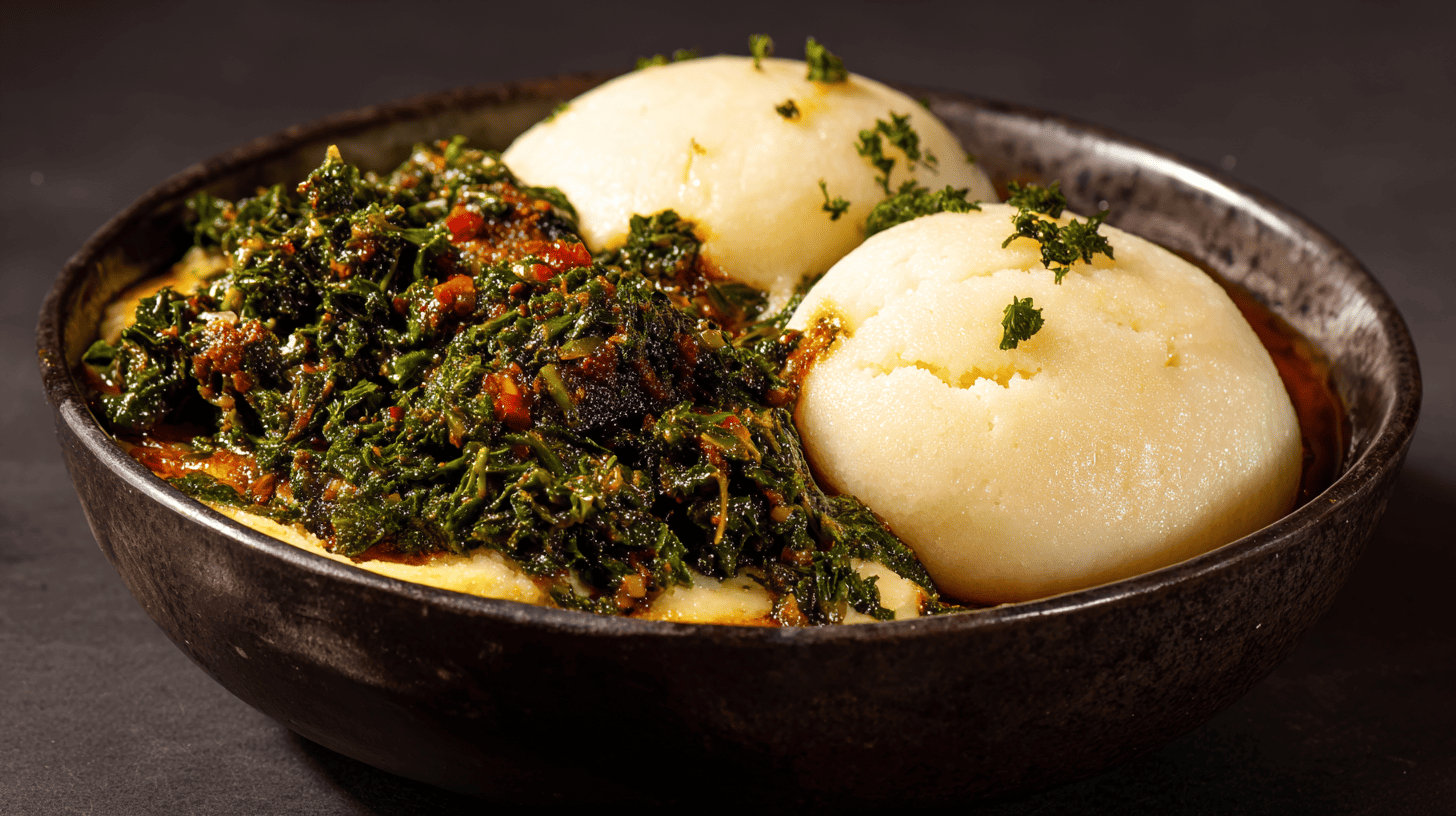
Instructions
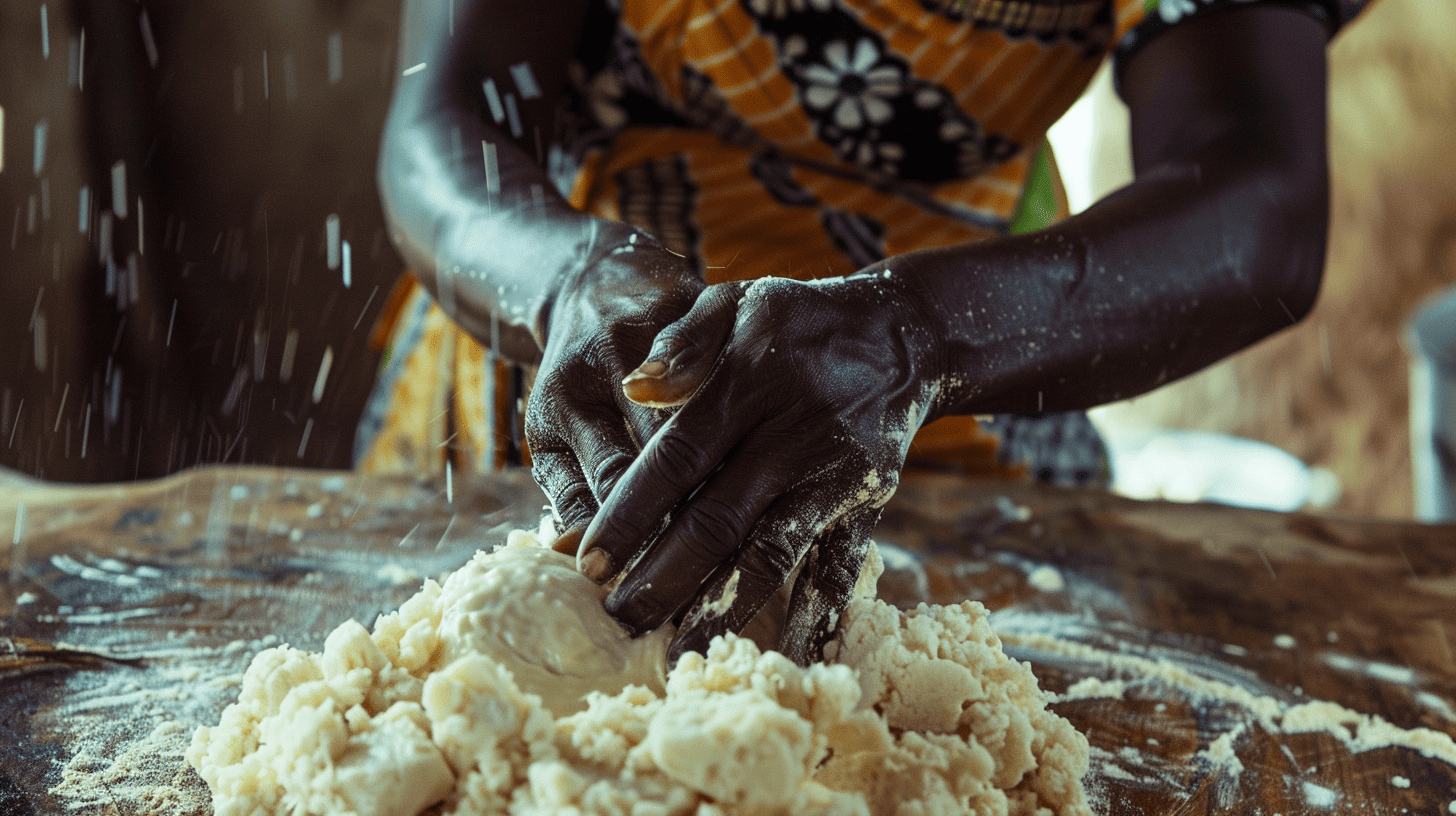
- Boil: In a heavy-bottomed saucepan—a pot with a thick base is essential to prevent scorching—bring the 4 cups of water and 1 teaspoon of salt to a vigorous, rolling boil. The water should be bubbling aggressively.
- Stir Vigorously:Reduce the heat to medium. Now, with one hand, start sprinkling the maize meal (cornmeal) into the boiling water in a very slow, steady stream, almost like a light rain. With your other hand, you must stir constantly and briskly with a strong wooden spoon or a traditional mwiko (a flat, wooden stirring paddle). Your goal here is to incorporate the flour without letting any lumps form. It will quickly begin to thicken into a porridge-like consistency.
- The Workout:This is the critical stage. Continue adding all the maize meal while stirring non-stop. The mixture will rapidly transition from a porridge to a thick, pasty mass that starts to pull away from the sides of the pot. Increase your stirring effort. You are now folding and turning the dense dough, ensuring even cooking and preventing any part from sticking to the bottom and burning. This requires firm pressure and can take 8-10 minutes of continuous effort. You'll feel it in your arm. The sound changes from a bubbly simmer to a thick, glugging pull. The raw, floury smell will dissipate, replaced by a warm, toasty aroma.
- Testing for Doneness & Steaming:: The ugali is ready when it forms a single, cohesive, very stiff mound that cleanly pulls away from the sides and bottom of the pot. It should hold its shape when you press the spoon against it. At this point, reduce the heat to the lowest setting. Smooth the top with the back of your spoon, then cover the pot with a tight-fitting lid. Let it steam gently in its own heat for 3-4 minutes. This final steaming ensures the very center is fully cooked and soft throughout.
- The Art of Shaping: Have your serving plate ready. Fill a small bowl with cold water. Carefully tip the hot ugali out onto the plate. To shape it without burning your hands, quickly dip both hands in the cold water and use them to mold the hot mound into a smooth, rounded dome or a large oval loaf. The water creates a protective barrier against the heat and prevents sticking. Alternatively, for individual portions, wet your hands and pinch off pieces, rolling them quickly into smooth, palm-sized ovals. The signature smooth, shiny surface comes from this wet-hand technique.
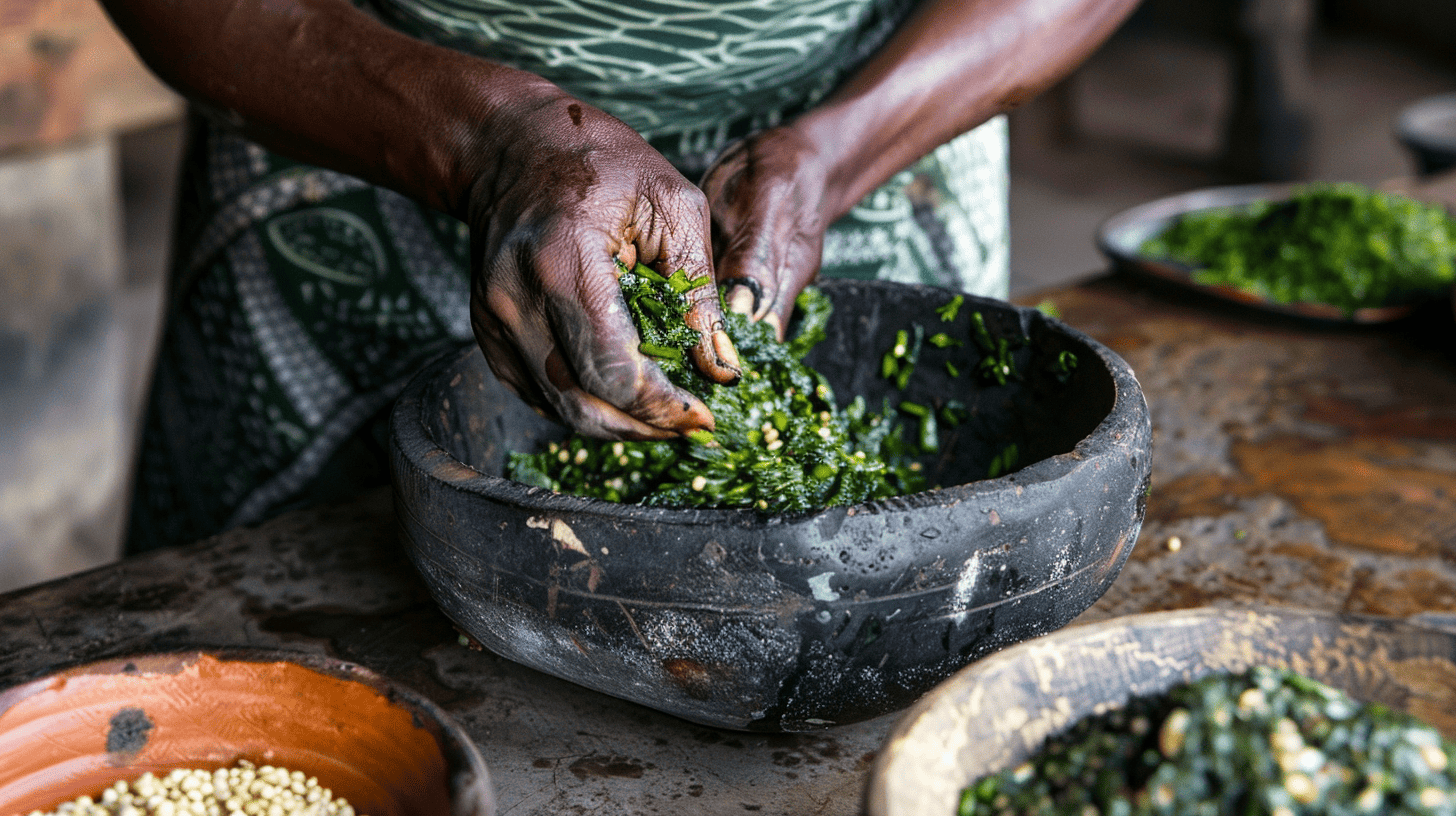
While the ugali steams or rests, you can quickly bring the vibrant greens to life. This is a stir-fry/braise technique that preserves texture and maximizes flavor.
- Sauté Base:Place your large pan or wok over medium heat and add the oil. Once it shimmers, add the chopped onion with a pinch of salt (which helps draw out moisture). Sauté, stirring occasionally, for about 5-7 minutes until the onions are fully softened, translucent, and just beginning to take on a golden edge. Do not rush this; sweet, soft onions are the flavor foundation.
- Build the Sauce:Add the minced garlic, grated ginger, and ground cumin to the pan. Stir constantly for just 30 seconds to 1 minute until a profoundly fragrant wave hits your nose. The cumin will toast slightly, and the raw edge of the garlic will disappear. Be vigilant—garlic burns in a heartbeat.
- Creating the Savory Tomato Sauce:: Add the chopped tomatoes (and the sliced green bell pepper, if using). Increase the heat to medium-high. Cook, stirring and frequently mashing the tomatoes with the back of your spoon, for 5-7 minutes. You want the tomatoes to completely break down, their juices to evaporate slightly, and the mixture to transform from watery to a thicker, cohesive sauce where the oil might start to glisten around the edges.
- Wilting the Greens in Stages: Now, add all of your finely sliced collard greens or kale. It will look like a mountain that could never fit, but don't worry. Using tongs or a large spoon, toss and turn the greens vigorously in the hot tomato sauce. They will wilt dramatically within the first minute. Once they've reduced in volume, pour in the ¼ cup of water or broth and add the chopped fresh chili.
- The Braised Finish: Immediately cover the pan with a lid. Reduce the heat to medium-low and let the greens braise-steam for 8-10 minutes. Lift the lid and stir every 2-3 minutes to ensure even cooking. You are aiming for greens that are tender but not mushy, still vibrant in color, with a bit of structural bite. They should be silky, not crunchy.
- The Final Brightening Touch: Once the greens are cooked to your liking, remove the pan from the heat. Drizzle the fresh lemon juice evenly over the top and season thoroughly with salt and freshly ground black pepper. Stir well. The lemon juice is not optional—its bright acidity lifts the earthy greens, balances the cumin, and ties the entire dish together. Taste and adjust seasoning.
Ingredients
- You'll Need: For the Sukuma Wiki:
- 🥬 1 large bunch kale or collard greens, stems removed, finely sliced
🧅 1 large onion, chopped
🍅 2 medium tomatoes, chopped
🫑 1 green bell pepper, sliced (optional)
🧄 4 cloves garlic, minced
🫚 1 tbsp fresh ginger, grated
🌿 1 tsp ground cumin
🔥 1 fresh chili pepper, finely chopped (or ½ tsp chili flakes)
🍋 Juice of ½ lemon
🫒 3 tbsp cooking oil
💧 ¼ cup water or vegetable broth
🧂 Salt & pepper to taste
- For the Ugali:
- 🌽 2 cups fine white maize meal (cornmeal)
💧 4 cups water
🧂 1 tsp salt

About us
Dive into the unique world of African flavors with Nana! From traditional family recipes to modern creations, Nana brings the diversity and magic of the African continent straight to your kitchen. Get inspired, try authentic and creative dishes, and discover the heartfelt soul of African cuisine on your plate.